Roof lifespan guide
Roof lifespan is a range, not an expiry date. Material grade, installation, ventilation, drainage, exposure and maintenance determine whether a roof reaches the lower or upper end of an expected service window. Site measurements and observed condition should take priority over a general rule of thumb.

Asphalt shingles
Many asphalt roofs are discussed in roughly 15- to 30-year ranges, but severe exposure, poor ventilation or weak details can shorten performance. Product warranties are not the same as expected installed life.
Metal and cedar
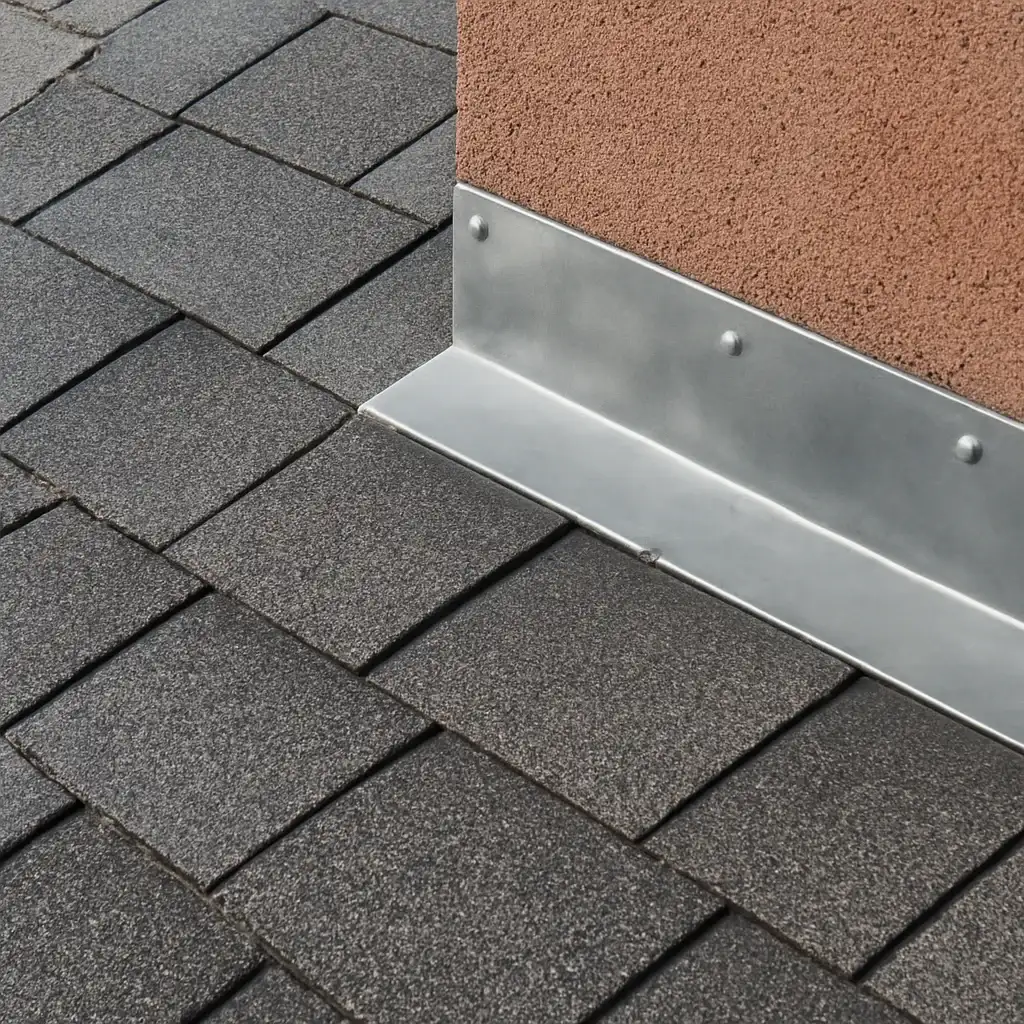
Well-detailed metal can serve for several decades, while coatings, fasteners and flashings still require inspection. Cedar life varies widely with thickness, ventilation, shade and maintenance.
Low-slope membranes
SBS, TPO and EPDM often provide multi-decade service when drainage, seams and flashings are maintained. Ponding water, wet insulation and rooftop traffic can reduce that.
Details worth checking
- Installation date and product
- Repair and leak history
- Sun, wind, snow and tree exposure
- Drainage performance
- Attic or assembly ventilation
- Condition of flashings and penetrations
Continue with a related roofing topic
Roofing resources
The resource library brings together cost planning, material comparisons, maintenance schedules, emergency guidance, warranties and roofing terminology for British Columbia properties.Roofers Langley
Review langley-headquartered roofing and exterior services across British Columbia with practical detail on condition, scope and next steps.How long does a flat roof last in British Columbia?
Many SBS, TPO and EPDM roofs are planned for multi-decade service, but actual life depends on drainage, seam quality, wet insulation, rooftop traffic, exposure and maintenance.Apply the information to the actual roof
Share the property, roof type, observed condition and decision timeline. A site-specific review can confirm which parts of the guidance fit and where the scope needs to change. The decision should also account for condition of flashings and penetrations.
Share your project details