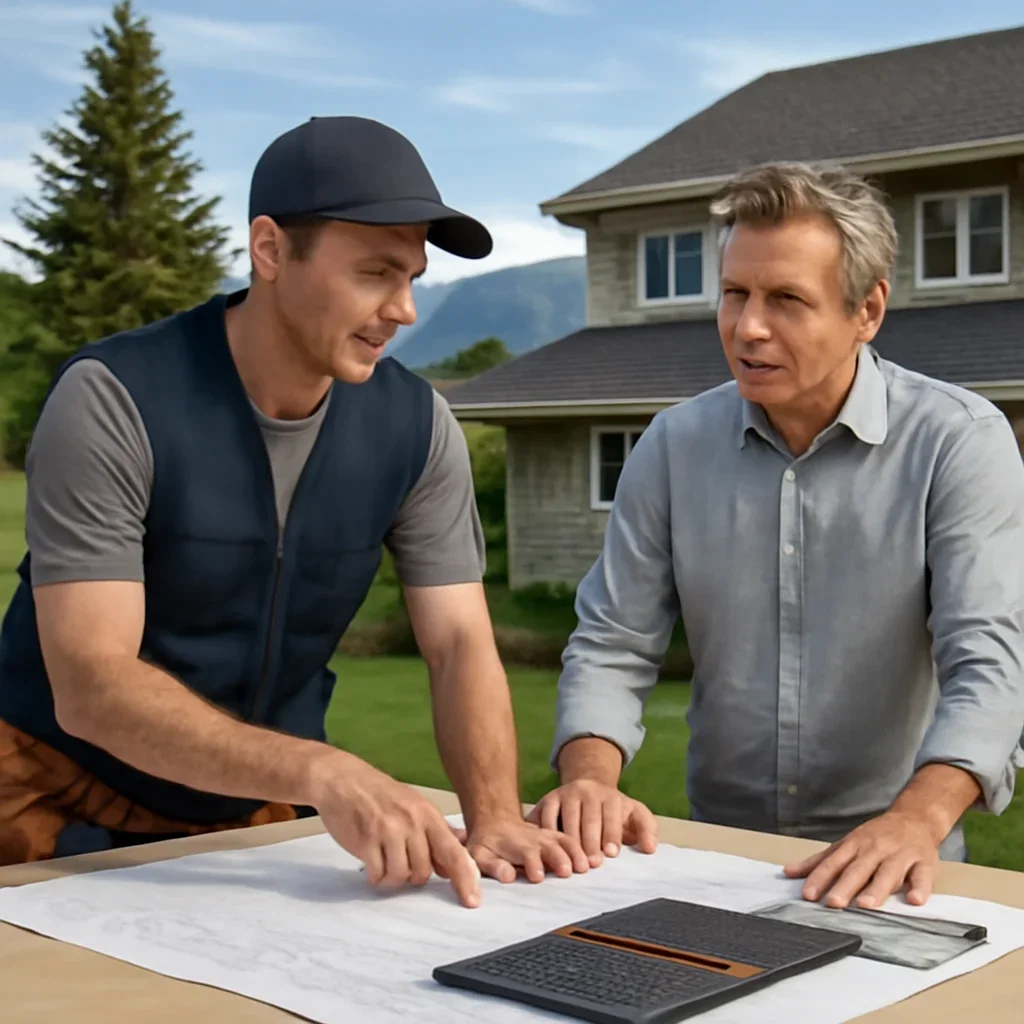
Roofing material comparison
The best roofing material depends on slope, deck, exposure, building use, maintenance and budget. Asphalt, metal, SBS, TPO and EPDM solve different problems and should not be ranked by lifespan alone. The decision should also account for penetrations and wall transitions.

Steep-slope homes
Asphalt shingles offer broad availability and familiar repair methods. Metal can provide long service and strong shedding, but custom details, movement and snow release need careful design.
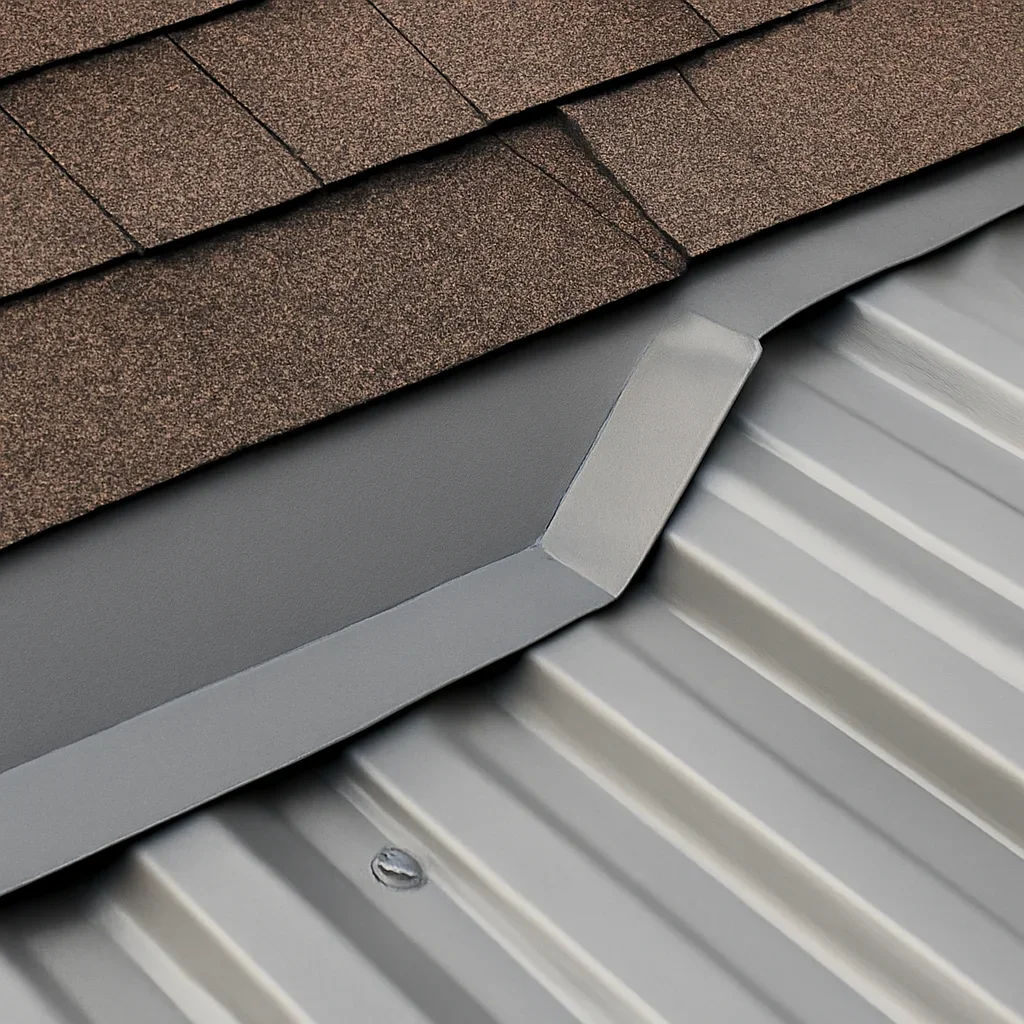
Low-slope buildings
SBS modified bitumen is robust and repairable; TPO uses heat-welded seams and can suit large commercial areas; EPDM provides flexible rubber sheets with taped seams. Deck and attachment conditions narrow the options.
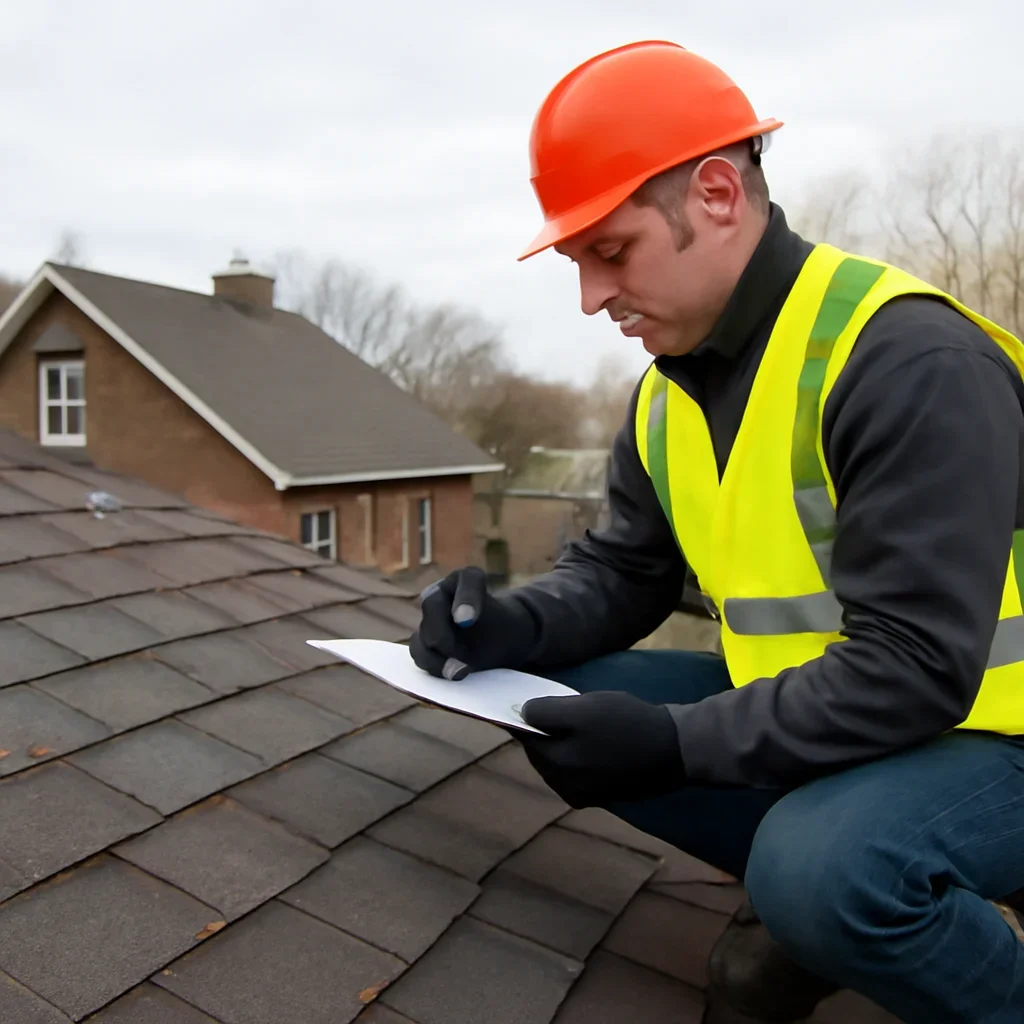
Details and installer capability
A premium field material cannot compensate for weak flashings, poor drainage or incompatible accessories. Confirm that the proposed crew regularly installs the specific system.
Side-by-side comparison
| System | Typical roof type | Key strength | Key planning point |
|---|---|---|---|
| Asphalt shingles | Steep-slope homes | Availability and familiar repair methods | Underlayment, ventilation and wind sealing |
| Metal | Steep and some low slopes | Long service potential and shedding | Movement, snow and custom flashings |
| SBS modified bitumen | Low-slope roofs | Layered, robust and repairable | Application method and drainage |
| TPO | Commercial low-slope roofs | Heat-welded seams and large sheets | Attachment, weld quality and traffic |
| EPDM | Low-slope roofs | Flexible large rubber sheets | Seam preparation and flashing adhesion |
Details worth checking
- Roof slope and geometry
- Deck and insulation assembly
- Wind, rain, snow and UV exposure
- Penetrations and wall transitions
- Maintenance access and rooftop traffic
- Installer training and warranty requirements
Continue with a related roofing topic
Roofing resources
The resource library brings together cost planning, material comparisons, maintenance schedules, emergency guidance, warranties and roofing terminology for British Columbia properties.Asphalt shingles vs. metal roofing in British Columbia
Asphalt usually has a lower initial cost and broad contractor familiarity; metal often has a higher initial cost with longer potential service.Roofers Langley
Review langley-headquartered roofing and exterior services across British Columbia with practical detail on condition, scope and next steps.Apply the information to the actual roof
Share the property, roof type, observed condition and decision timeline. A site-specific review can confirm which parts of the guidance fit and where the scope needs to change. The decision should also account for roof slope and geometry.
Share your project details