
Roofing in Sea-to-Sky
Sea-to-Sky communities experience mountain rain, coastal wind, snow and rapid weather changes. Roofers Langley plans inspections, repairs, replacement and exterior work around the community, building and exposure involved.
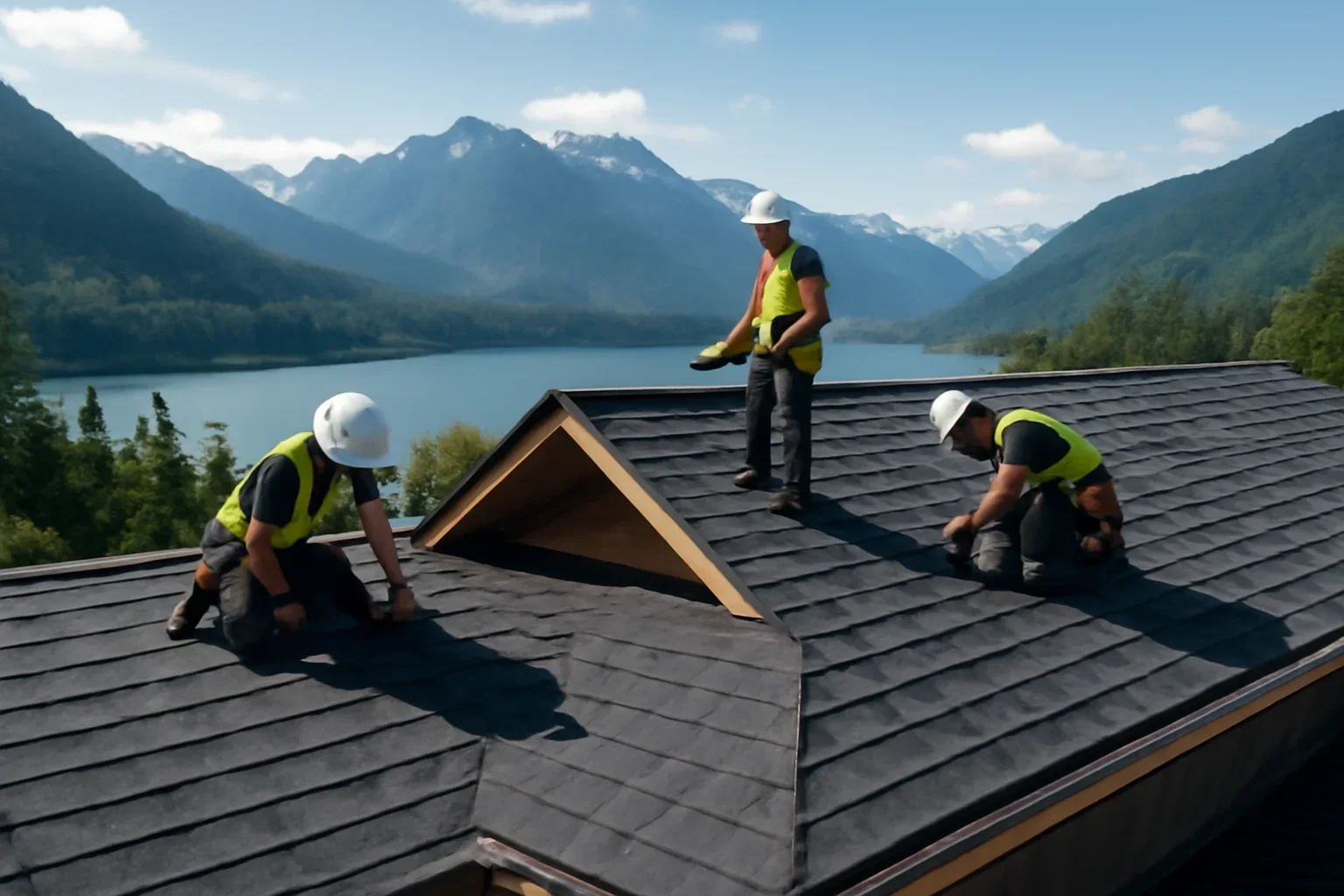
Sea-to-Sky communities experience mountain rain, coastal wind, snow and rapid weather changes. Steep terrain and exposed sites can intensify access, fastening and snow-management requirements.
Why one regional roofing formula does not work
Steep terrain and exposed sites can intensify access, fastening and snow-management requirements.
Installation timing and temporary weather protection need close coordination.
A written scope should name the relevant condition—such as prolonged coastal moisture, high summer UV, snow movement or open wind exposure—and connect it to the proposed materials and details. The written scope should identify which local exposure affects fastening, drainage or seasonal scheduling.

How regional projects are prepared
Confirm the community and site
Access, travel, deliveries, roof height and building use are reviewed before a visit or schedule is promised. Material delivery and safe access need to be confirmed for the exact community and property.
Inspect the local failure points
Edges, flashings, drainage, ventilation and material condition are assessed in the context of the area's weather. The written scope should identify which local exposure affects fastening, drainage or seasonal scheduling.
Write a location-aware scope
The proposal identifies preparation, materials, logistics and seasonal constraints that affect the work. Installation timing and temporary weather protection need close coordination.

Roof systems and exterior details
Steep-slope shingles and metal, low-slope membranes, gutters, soffit, fascia and wall transitions can all be relevant within the same region. The appropriate service depends on the roof geometry and the source of water, not the regional label alone. Steep terrain and exposed sites can intensify access, fastening and snow-management requirements.
For active leaks, describe when water appears and whether wind, snowmelt or sustained rain changes the symptom. That context can narrow the inspection path. Installation timing and temporary weather protection need close coordination.
Communities in Sea-to-Sky
Related roofing information
Roofing in Thompson-Cariboo
Compare the climate, travel, access and building conditions that shape roofing work across Thompson-Cariboo.Roofers Langley
Review langley-headquartered roofing and exterior services across British Columbia with practical detail on condition, scope and next steps.Roofing service areas
Roofers Langley is headquartered in Langley and the sitemap organizes service coverage by British Columbia region and city.Verified reviews and credentials
Questions customers ask
Does one roofing material suit every property across Sea-to-Sky?
No. Sea-to-Sky communities experience mountain rain, coastal wind, snow and rapid weather changes. Material choice should follow the individual roof slope, deck, exposure, building use and maintenance plan. A system that works in one part of Sea-to-Sky may need different detailing elsewhere.
What can change scheduling across Sea-to-Sky?
Steep terrain and exposed sites can intensify access, fastening and snow-management requirements. Delivery, safe access, weather windows and occupied-building coordination should be confirmed before dates are promised. The proposed dates should include a weather and delivery contingency.
What should be shared before planning a regional project?
Provide the exact address, building type, roof system if known, issue, safe photos and preferred timing. Mention ferry, rural-road, tenant or delivery constraints that could affect access. For Sea-to-Sky, the exact community, building and access route still need to be confirmed.
Plan a roofing visit in Sea-to-Sky
Send the full property address and enough detail to understand the roof, concern and access. That information makes it possible to confirm the appropriate next step and any regional scheduling considerations. A regional estimate should still be based on the individual building rather than a broad climate label.
Share your project details