
Customers we serve
Roofing decisions change with the person responsible for the building, so homeowners, strata councils, property managers, owners, builders and restoration teams need different records and workflows. The scope should remain specific to roofing solutions by customer and property type.

Roofing decisions change with the person responsible for the building, so homeowners, strata councils, property managers, owners, builders and restoration teams need different records and workflows. Written findings are more useful than a standard package or unsupported claim.
Homeowners need understandable choices
A residential scope should explain the condition, repair or replacement options, property protection and what happens if damaged decking is uncovered.

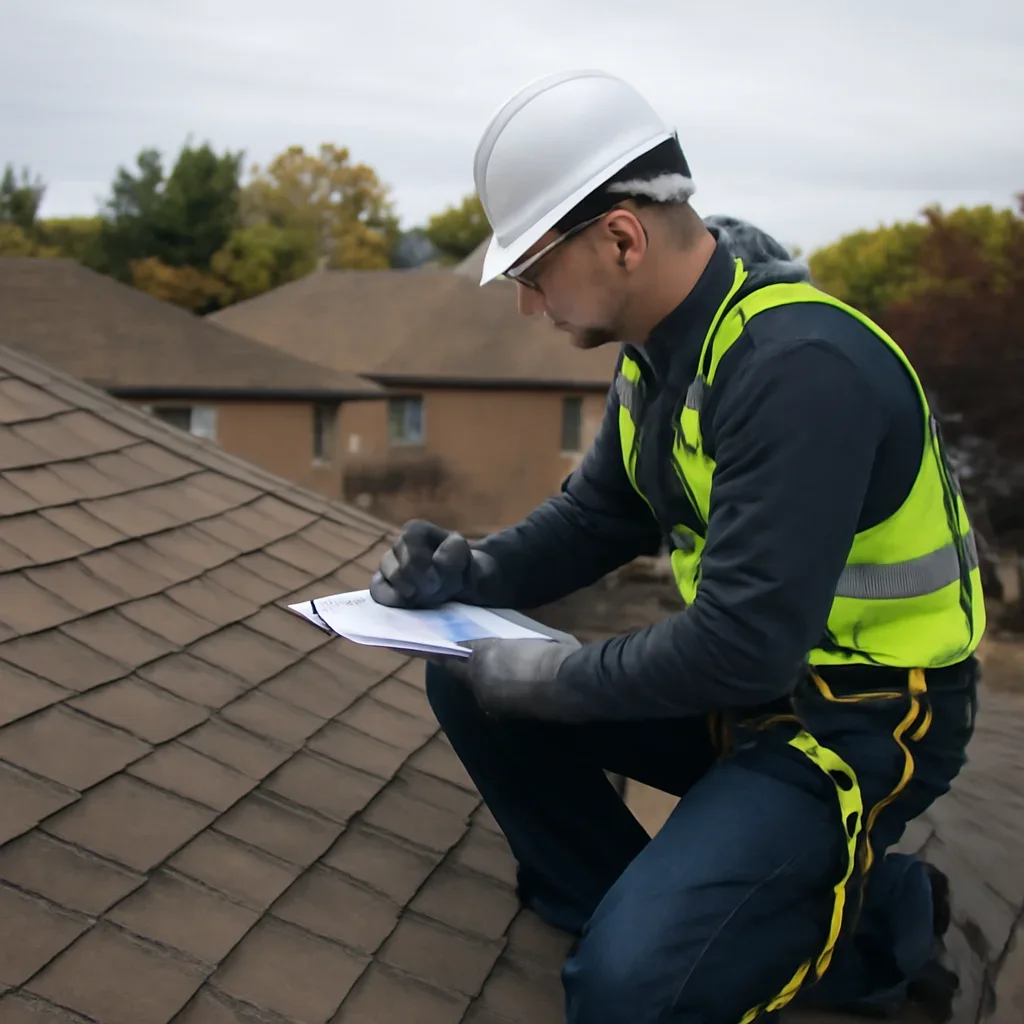
Councils and managers need defensible records
Shared and commercial buildings require photos, roof maps, priorities, comparable bid scopes and closeout documents that remain useful after committee or staff changes.
Builders and restoration teams need coordination
Schedule, dry-in milestones, trade interfaces, safety and documentation become central when roofing is one part of a larger construction or loss-recovery project.

Explore the next level
Roofing for homeowners
Homeowners need a clear diagnosis, understandable options, property-protection plan and written explanation of how hidden deck damage will be handled.Roofing for strata councils
Strata councils need condition evidence, comparable scopes, budget timing and communication that supports a documented owner decision.Roofing for property managers
Property managers need fast triage, repeatable reporting, tenant coordination and maintenance records that remain useful across a portfolio.Roofing for commercial property owners
Commercial owners need roofing decisions tied to building operations, leak risk, capital timing and the consequences of disruption.Roofing for builders and developers
Builders and developers need roof details resolved early, dry-in milestones coordinated with other trades and documentation that supports turnover.Roofing for restoration companies
Restoration teams need roofing support that separates emergency containment from permanent repair and documents the loss-related scope clearly.Insurance-Related roof repairs
A roofer can document physical roof damage and repair requirements, while the insurer decides coverage under the policy.Verified reviews and credentials
Questions customers ask
What should customers know about customers we serve?
Roofing decisions change with the person responsible for the building, so homeowners, strata councils, property managers, owners, builders and restoration teams need different records and workflows. A residential scope should explain the condition, repair or replacement options, property protection and what happens if damaged decking is uncovered. For this decision, the written information should reflect homeowners need understandable choices.
How is the next step kept specific to the property?
Shared and commercial buildings require photos, roof maps, priorities, comparable bid scopes and closeout documents that remain useful after committee or staff changes. The recommendation should connect observed conditions to a written scope rather than a standard package. For this decision, the written information should reflect councils and managers need defensible records.
What proof should support the recommendation?
Schedule, dry-in milestones, trade interfaces, safety and documentation become central when roofing is one part of a larger construction or loss-recovery project. A logo or unsupported rating is not a substitute for source-linked documentation. For this decision, the written information should reflect builders and restoration teams need coordination.
Bring the property details together
Send the address, building type, roof system if known and the reason for the inquiry. Roofers Langley can use that information to identify a practical next step without forcing the property into a generic service path. Schedule, dry-in milestones, trade interfaces, safety and documentation become central when roofing is one part of a larger construction or loss-recovery project.
Share your project details