Roofing warranty guide
A roofing warranty should be read as a set of covered defects, exclusions, remedies and owner obligations. The headline number alone does not show what labour, materials, tear-off or related damage are actually covered. The decision should also account for coverage start date and term.

Manufacturer material coverage
Confirm the exact product, registration requirements, proration, transfer rules and approved accessories. Some enhanced warranties depend on a complete system and credentialed installation.
Contractor workmanship coverage
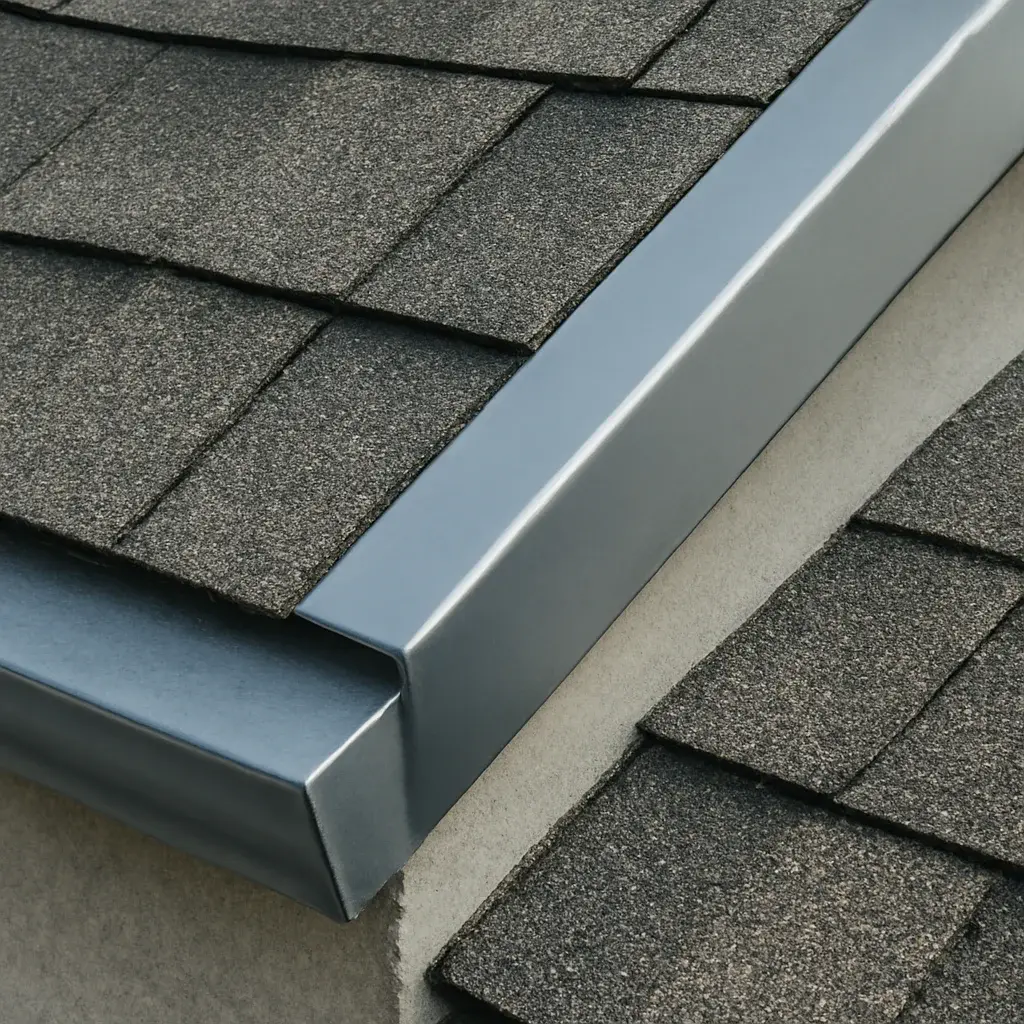
Look for the covered installation defects, term, claim process, response expectations and the remedy. Ask whether emergency work by another contractor affects coverage.

Maintenance and documentation
Keep invoices, photos, certificates and inspection records. Failure caused by blocked drains, third-party damage, building movement or neglected maintenance may be excluded.
Details worth checking
- Legal names and property address
- Exact products and system components
- Coverage start date and term
- Proration and transfer rules
- Labour and disposal treatment
- Exclusions and owner duties
- Claim contact and response process
Continue with a related roofing topic
Roofing warranties
Roofing warranties usually separate manufacturer material coverage from the contractor's workmanship coverage, and neither should be summarized by a single number alone.Roofing resources
The resource library brings together cost planning, material comparisons, maintenance schedules, emergency guidance, warranties and roofing terminology for British Columbia properties.Roof lifespan guide
Roof lifespan is a range, not an expiry date.Apply the information to the actual roof
Share the property, roof type, observed condition and decision timeline. A site-specific review can confirm which parts of the guidance fit and where the scope needs to change. The decision should also account for proration and transfer rules.
Share your project details