Roofing frequently asked questions
Common roofing questions are best answered with the condition that changes the answer. Cost, lifespan, repairability and timing all depend on roof type, access, exposure and what is found below the surface. The decision should also account for is there safe attic access?.
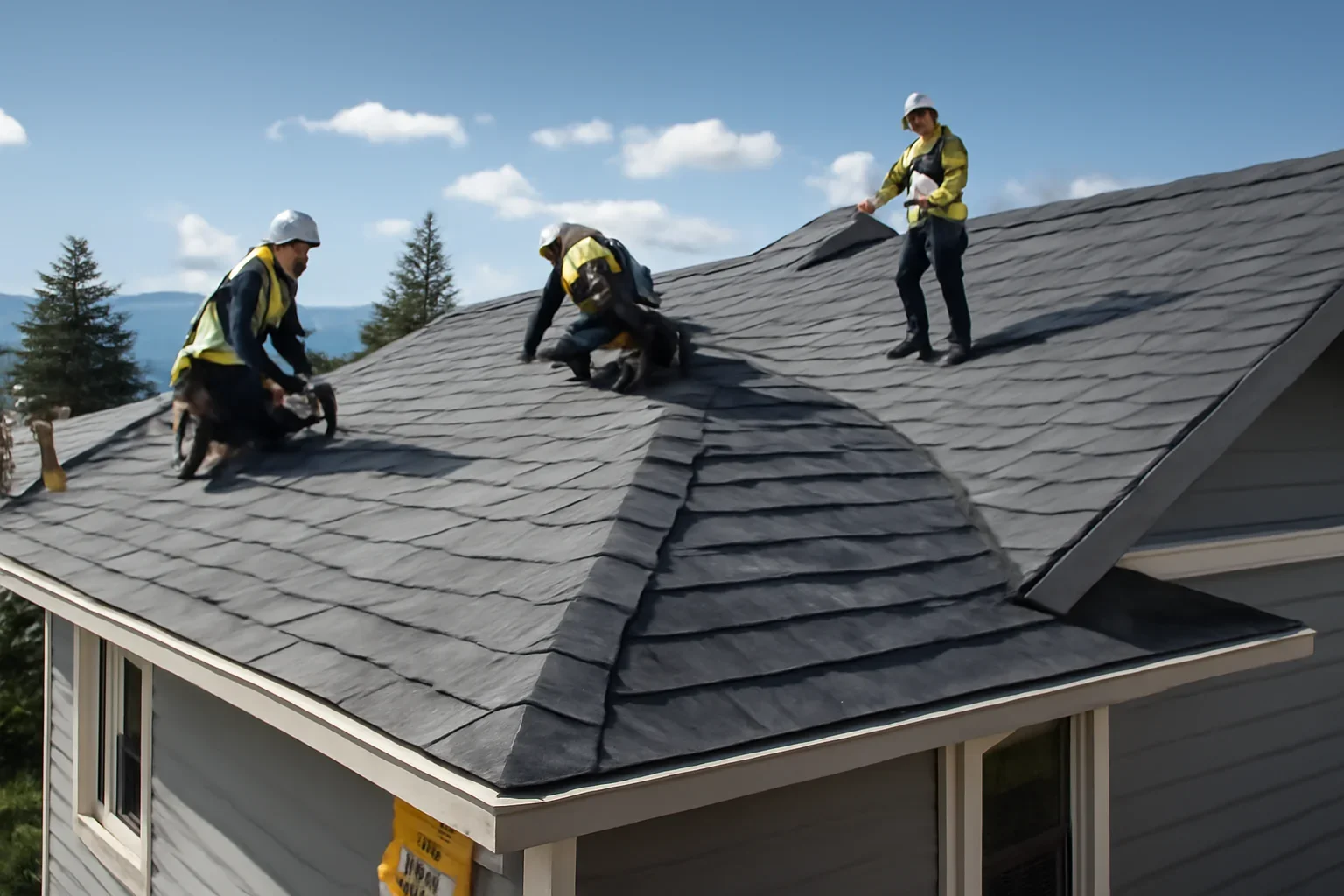
Repairs and leaks
A ceiling stain may be far from the entry point. Diagnosis should follow the water path and inspect penetrations, walls, valleys and drainage above the symptom.
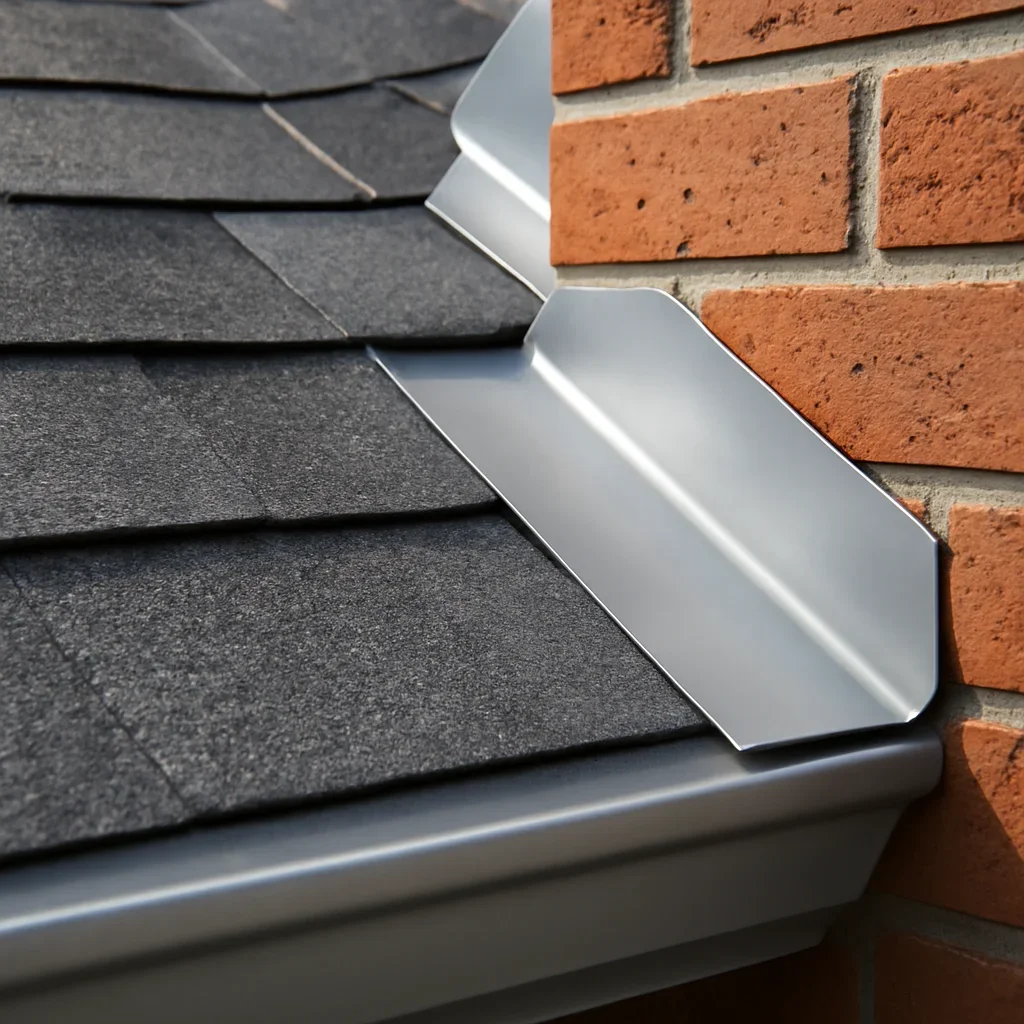
Replacement and materials
Age alone does not force replacement, and no material is best for every building. Compare current condition, expected service, slope, details and maintenance.

Estimates and contractors
A useful proposal lists preparation, materials, flashings, ventilation, protection, exclusions and concealed-damage pricing. Verify the business and warranty documents.
Details worth checking
- When did the problem begin?
- Does weather direction change it?
- What roof system is installed?
- How old is it and what was repaired?
- Is there safe attic access?
- What decision deadline exists?
Continue with a related roofing topic
Roofing resources
The resource library brings together cost planning, material comparisons, maintenance schedules, emergency guidance, warranties and roofing terminology for British Columbia properties.Roofers Langley
Review langley-headquartered roofing and exterior services across British Columbia with practical detail on condition, scope and next steps.Roof lifespan guide
Roof lifespan is a range, not an expiry date.Questions customers ask
Can a roof leak be repaired without replacing the roof?
Yes, when the defect is isolated and the surrounding roof remains serviceable. Widespread wear, repeated leaks or substrate damage can make replacement more sensible. The surrounding roof condition determines whether a limited repair is responsible.
How long does a roof inspection take?
Duration depends on roof size, access, system and whether attic or moisture investigation is required. The result should document observed conditions and areas that were not safely accessible. Complex roofs, restricted access or moisture investigation can extend the visit.
Why is a ceiling stain not always below the leak?
Water can run along decking, framing, pipes or insulation before it becomes visible. Diagnosis starts uphill and at nearby penetrations or transitions. Tracing the water path is more reliable than repairing only the visible stain.
Should old flashing be reused during replacement?
Reuse should be an explicit, justified decision. Many replacements benefit from new compatible flashing because hidden step flashing or aged metal cannot be assessed fully until roofing is removed. The replacement scope should state whether each flashing is new or reused.
Can roofing be completed in winter?
Some work can proceed when material limits, dryness, daylight and safety allow. Wet, icy or very cold conditions may require temporary protection and rescheduling. Material instructions and safe working conditions determine whether work can proceed.
What belongs in a written estimate?
Look for measured scope, products, preparation, flashings, ventilation, protection, cleanup, allowances, exclusions, tax, payment and warranties. Each bidder should use the same assumptions so missing or provisional items are easy to compare. Missing assumptions should be clarified before a proposal is accepted.
Apply the information to the actual roof
Share the property, roof type, observed condition and decision timeline. A site-specific review can confirm which parts of the guidance fit and where the scope needs to change. The decision should also account for when did the problem begin?.
Share your project details