Best roofing materials for coastal B.C.’s wet climate
Coastal B.C. does not have one universally best roof. Asphalt shingles, metal and low-slope membranes can all perform when the slope, wind exposure, drainage, flashings, ventilation and maintenance plan are appropriate. The decision should also account for shade and moss potential.
Water-shedding steep roofs
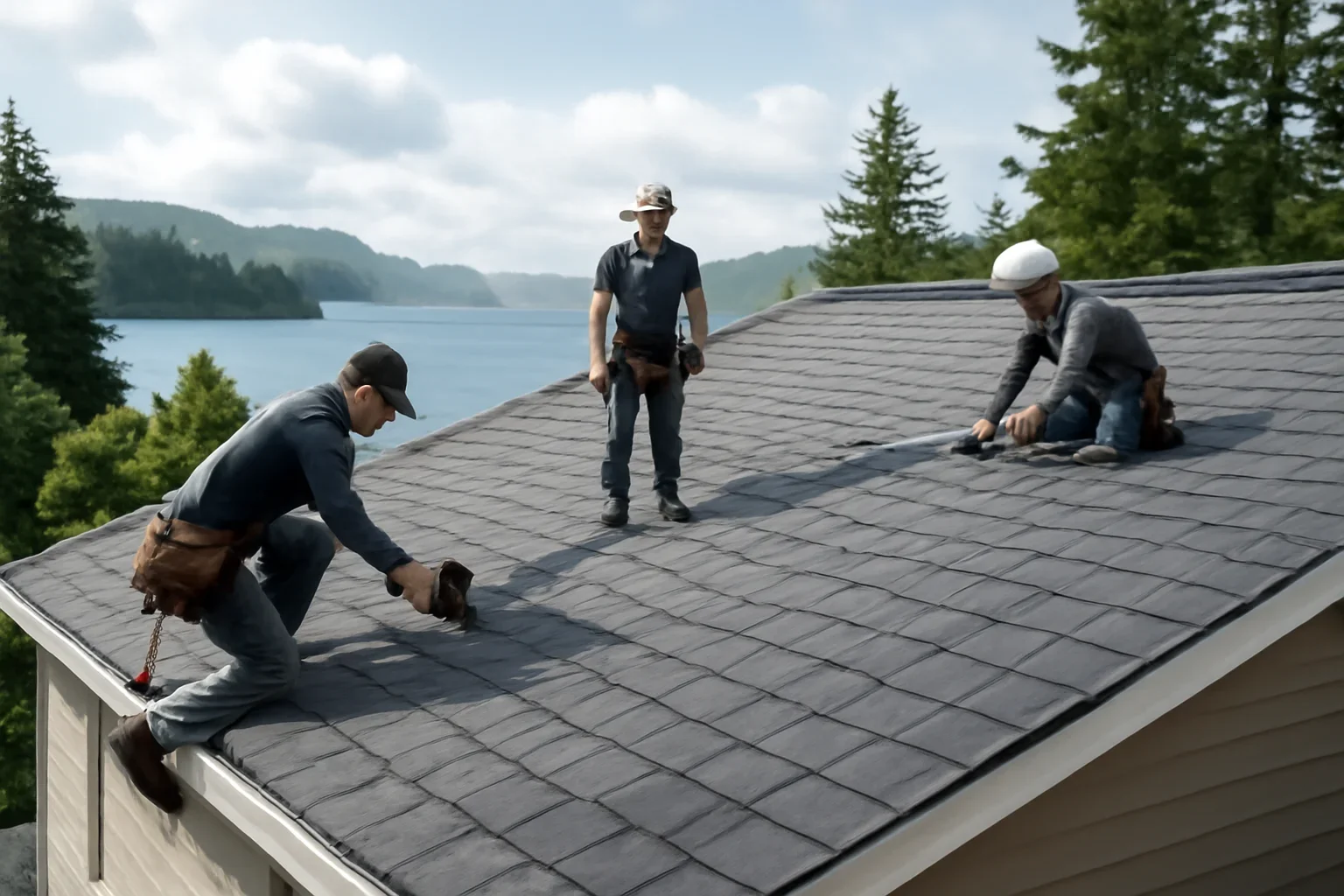
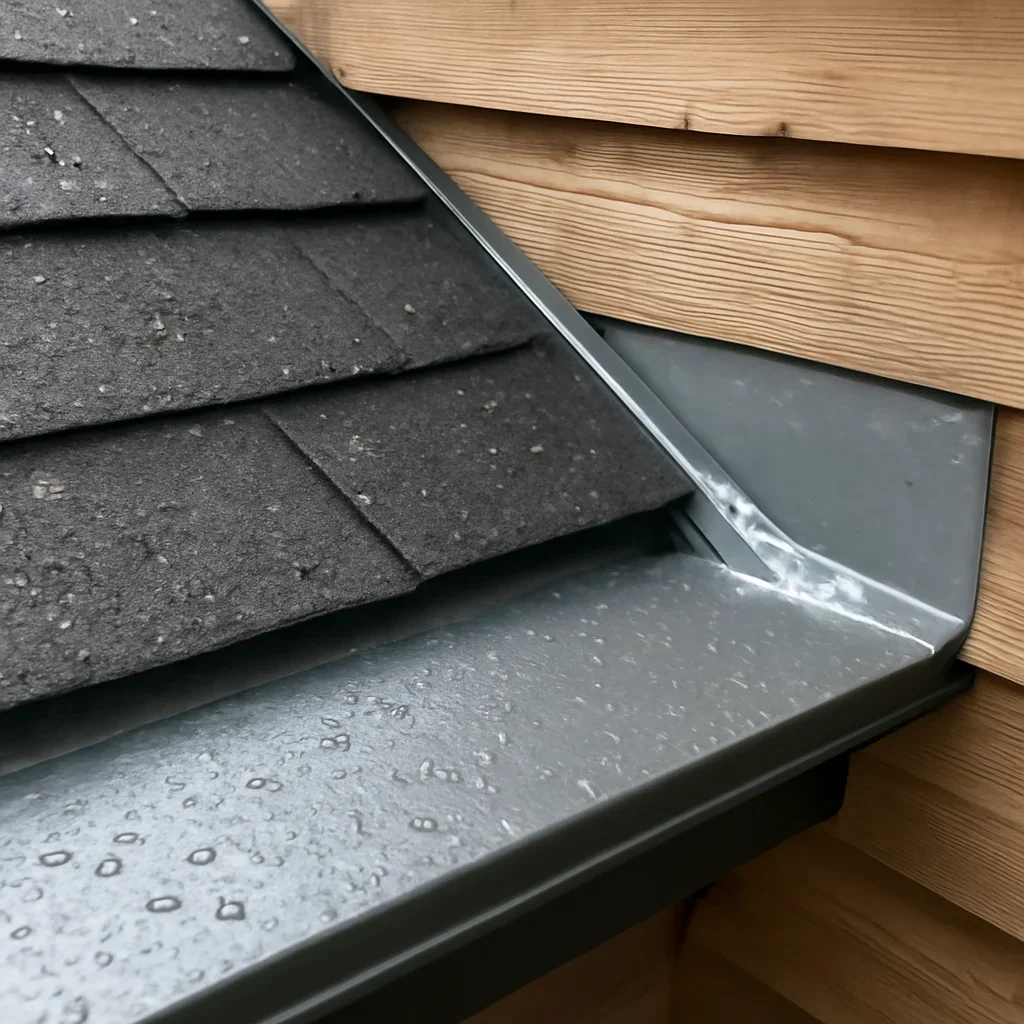
Architectural shingles offer practical replacement and repair options; metal sheds water efficiently and can provide long service. Both need careful edge and penetration detailing.
Low-slope roofs
SBS, TPO and EPDM depend on continuous seams and dependable drains or scuppers. Standing water and wet insulation are bigger concerns than colour.

Moisture management around the roof
Attic ventilation, gutters, wall transitions and tree debris influence how quickly the assembly dries after repeated rain.
Details worth checking
- Wind-driven rain exposure
- Shade and moss potential
- Salt air near the shoreline
- Drainage capacity
- Roof slope and complexity
- Maintenance access
Continue with a related roofing topic
What is the best roof for a home in vancouver’s climate?
For a Vancouver home, a well-detailed asphalt or metal steep-slope roof can perform well; low-slope areas may use SBS, TPO or EPDM.B.C. roofing advice
Roofing advice is most useful when it gives a direct answer, explains the conditions that change it and points to a practical next step.What is the best roof for an Okanagan home?
Okanagan homes commonly compare quality asphalt and metal systems.Apply the information to the actual roof
Share the property, roof type, observed condition and decision timeline. A site-specific review can confirm which parts of the guidance fit and where the scope needs to change. SBS, TPO and EPDM depend on continuous seams and dependable drains or scuppers.
Share your project details