
Suppliers and materials
Roofing materials should be selected as compatible systems, including field material, underlayment, flashings, fasteners, ventilation and manufacturer-approved accessories. Responsibilities should be clear before the inspection or installation begins.
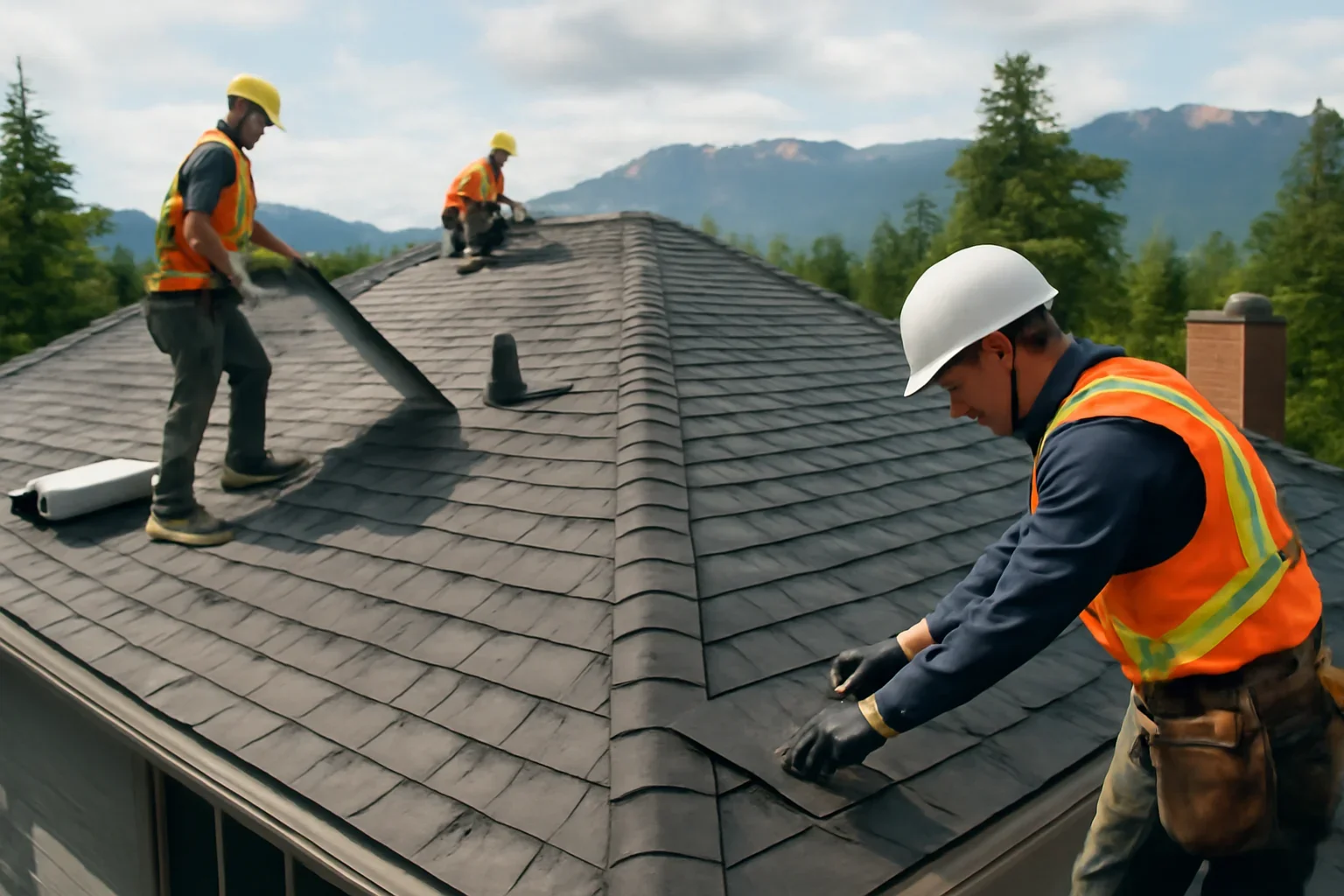
Roofing materials should be selected as compatible systems, including field material, underlayment, flashings, fasteners, ventilation and manufacturer-approved accessories. Published proof should be dated, source-linked and approved for use.
What this looks like in practice
System compatibility
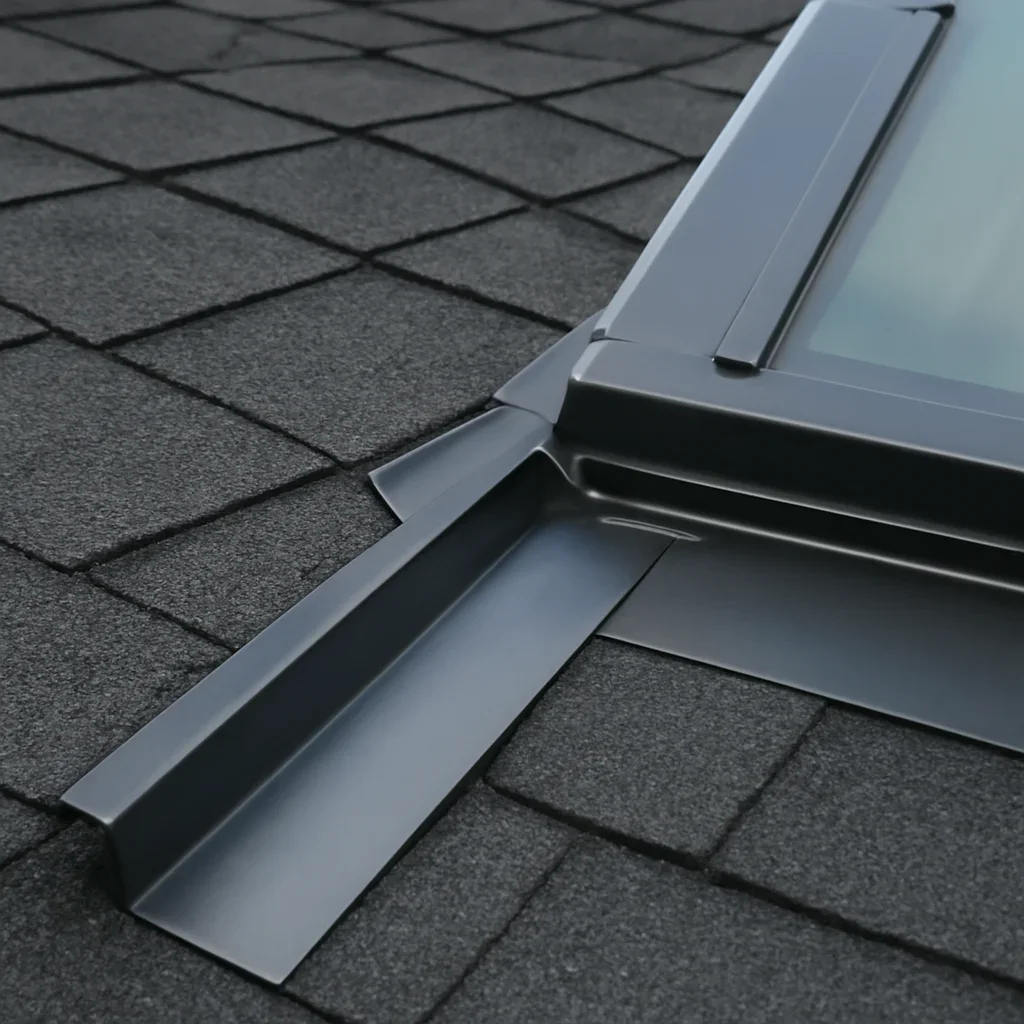
Mixing products without confirming compatibility can affect adhesion, movement, corrosion and warranty eligibility.
Availability and lead time
Colour, profile, custom metal and regional delivery timing should be confirmed before the installation date is promised.
Substitutions require approval
A proposed substitute should identify the exact product, reason, performance difference and warranty effect before use.
What should be documented
Names, dates, scope decisions and supporting records should be easy to trace. Where a claim depends on insurance, licensing, training, a warranty or a customer statement, the published version should match the approved source. Customers should receive the scope, changes and closeout records in writing.
Clear documentation also improves day-to-day service. It helps the office, estimator, site lead and customer work from the same assumptions. Colour, profile, custom metal and regional delivery timing should be confirmed before the installation date is promised.
Related roofing information
About Roofers Langley
Roofers Langley is structured around clear inspections, written scopes and practical communication for roofing and exterior work across British Columbia.Roofers Langley
Review langley-headquartered roofing and exterior services across British Columbia with practical detail on condition, scope and next steps.Roofing systems
Roofing systems should be compared by slope, deck, weather exposure, building use, installation detail, maintenance and total ownership needs.Verified reviews and credentials
Questions customers ask
What information should be verified before roofing work begins?
A proposed substitute should identify the exact product, reason, performance difference and warranty effect before use. Current insurance, safety and credential records should be available from an approved source. For suppliers and materials, the supporting record should make system compatibility clear.
How should project changes be handled?
Colour, profile, custom metal and regional delivery timing should be confirmed before the installation date is promised. A changed condition should be photographed, priced and approved before extra work proceeds, except for immediate protection. For suppliers and materials, the supporting record should make availability and lead time clear.
What belongs in the final project record?
Mixing products without confirming compatibility can affect adhesion, movement, corrosion and warranty eligibility. Keep the signed scope, approved changes, invoices, product information, warranties, photos and maintenance requirements together. For suppliers and materials, the supporting record should make substitutions require approval clear.
Ask for the records that support the decision
Use the inquiry form to request the service, company or project information relevant to your property. Verified documents can be shared through the appropriate business process. Any licence, insurance, safety or credential claim should match a current approved source.
Share your project details