Commercial flat-roof maintenance checklist
A commercial flat-roof checklist should cover drainage, membrane surface, seams, walls, penetrations, previous repairs and rooftop traffic. Inspect on a regular schedule and after severe weather or other trades use the roof. The decision should also account for prior repair patches.
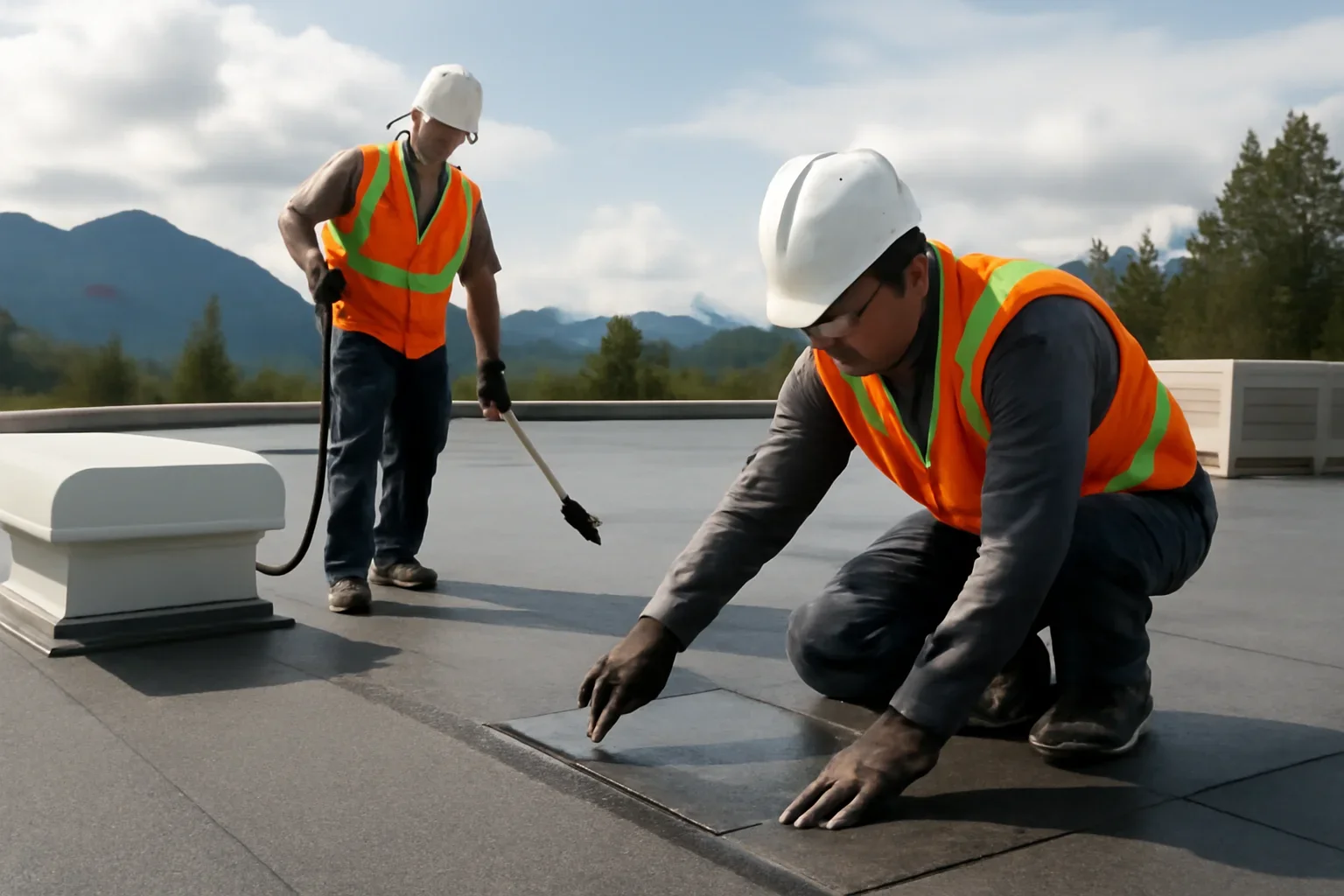
Start at drains and low points
Remove debris and record ponding that remains after normal drying. Check strainers, scuppers and overflow routes.
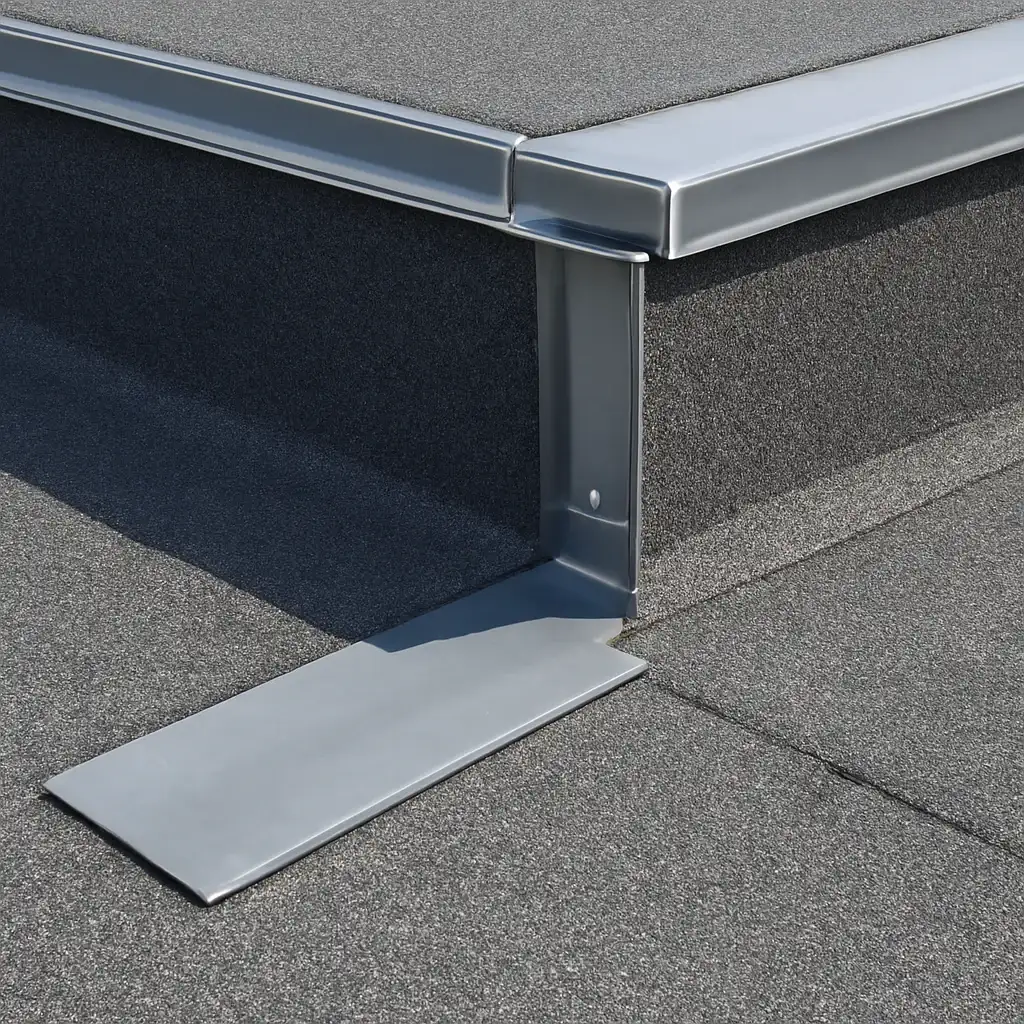
Probe the high-risk details
Seams, corners, curbs, pipes and edge metal move and receive foot traffic. Look for open laps, cracks, punctures and loose termination.
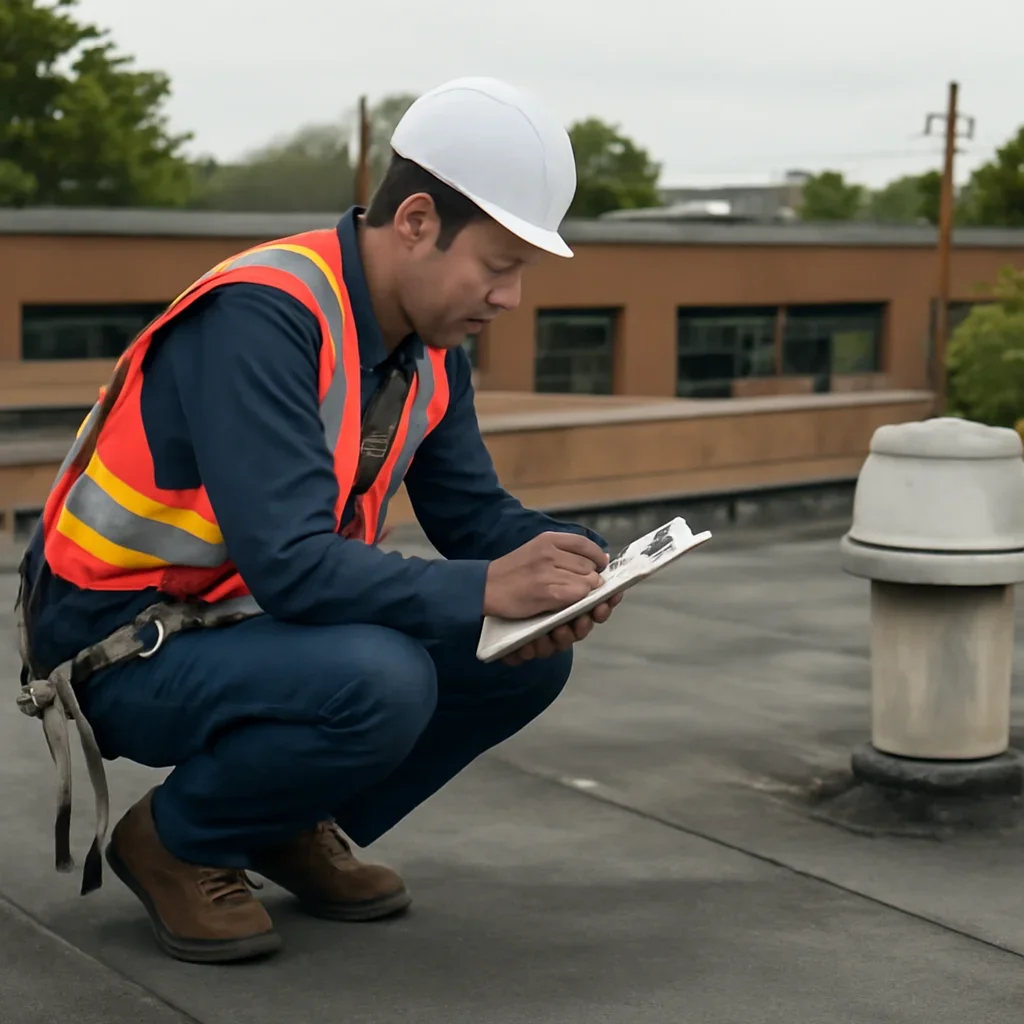
Update the roof map
Mark each repair and recurring leak area. A dated record makes future diagnosis faster and reveals patterns.
Checklist items
- Drains and scuppers
- Ponding areas
- Seams and laps
- Parapets and edges
- Equipment curbs
- Pipe flashings
- Traffic paths
- Prior repair patches
Continue with a related roofing topic
B.C. roofing advice
Roofing advice is most useful when it gives a direct answer, explains the conditions that change it and points to a practical next step.How often should a commercial roof be inspected?
Many commercial owners schedule inspections twice a year—commonly spring and autumn—and after severe weather or rooftop trade work.Commercial roof maintenance guide
Commercial roof maintenance should combine scheduled inspections, drainage cleaning, minor repairs and a roof record.Apply the information to the actual roof
Share the property, roof type, observed condition and decision timeline. A site-specific review can confirm which parts of the guidance fit and where the scope needs to change. Mark each repair and recurring leak area.
Share your project details