How attic ventilation affects roof life
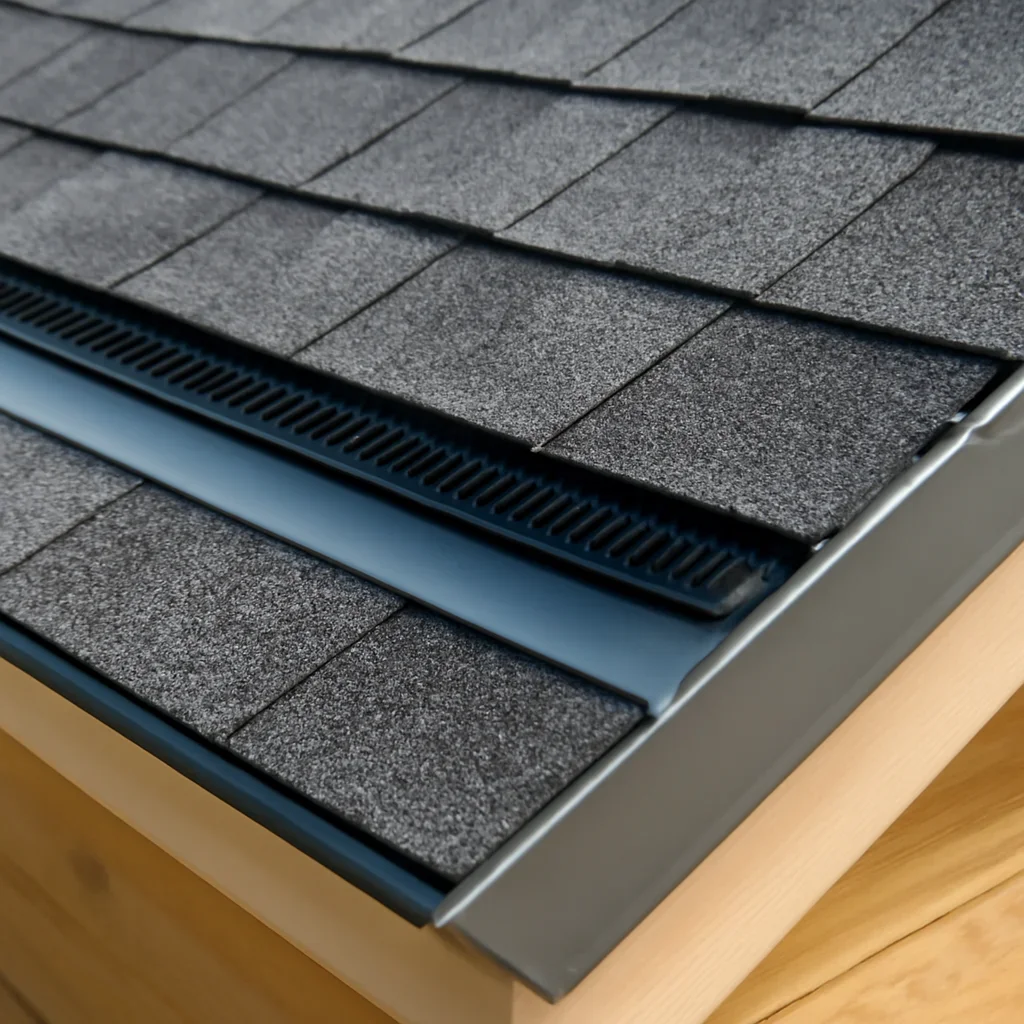
Attic ventilation helps remove moisture and heat, but it works only with air sealing, insulation and balanced intake and exhaust. Adding roof vents without clear soffit intake may not solve the problem. The decision should also account for baffles above insulation.

Winter moisture
Warm indoor air leaking into a cold attic can condense or form frost on sheathing. The source may be air leakage or a bathroom duct, not simply too few vents.
Summer heat
Ventilation can reduce attic heat, while roof colour, insulation and solar exposure also matter. It cannot correct damaged shingles or poor flashings.

Balance and distribution
Intake should be low at the eaves and exhaust high on the roof, distributed so air moves through the full attic rather than short-circuiting.
Details worth checking
- Clear soffit vents
- Baffles above insulation
- Outdoor termination for exhaust fans
- Balanced high and low vent area
- No blocked roof vents
- Signs of frost, mould or staining
Continue with a related roofing topic
B.C. roofing advice
Roofing advice is most useful when it gives a direct answer, explains the conditions that change it and points to a practical next step.Attic and roof ventilation
Attic and roof ventilation focuses on balancing intake, exhaust and attic air movement, including clear soffit intake paths and blocked baffles.Roofers Langley
Review langley-headquartered roofing and exterior services across British Columbia with practical detail on condition, scope and next steps.Apply the information to the actual roof
Share the property, roof type, observed condition and decision timeline. A site-specific review can confirm which parts of the guidance fit and where the scope needs to change. The decision should also account for signs of frost, mould or staining.
Share your project details