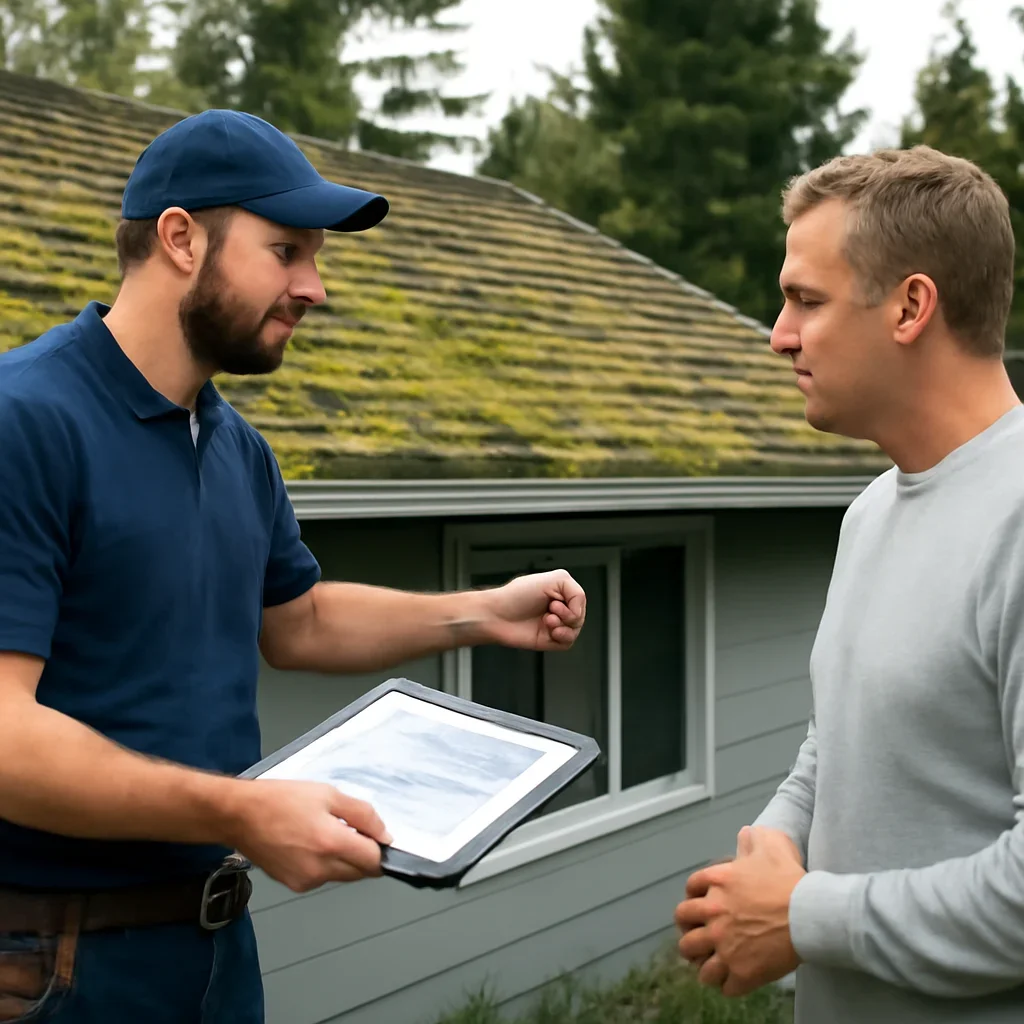
Why moss grows on lower mainland roofs
Moss grows where moisture lingers, especially on shaded roof slopes with tree debris and limited sunlight. Lower Mainland rain supports growth, but roof orientation and maintenance explain why neighbouring roofs can look different. Site measurements and observed condition should take priority over a general rule of thumb.
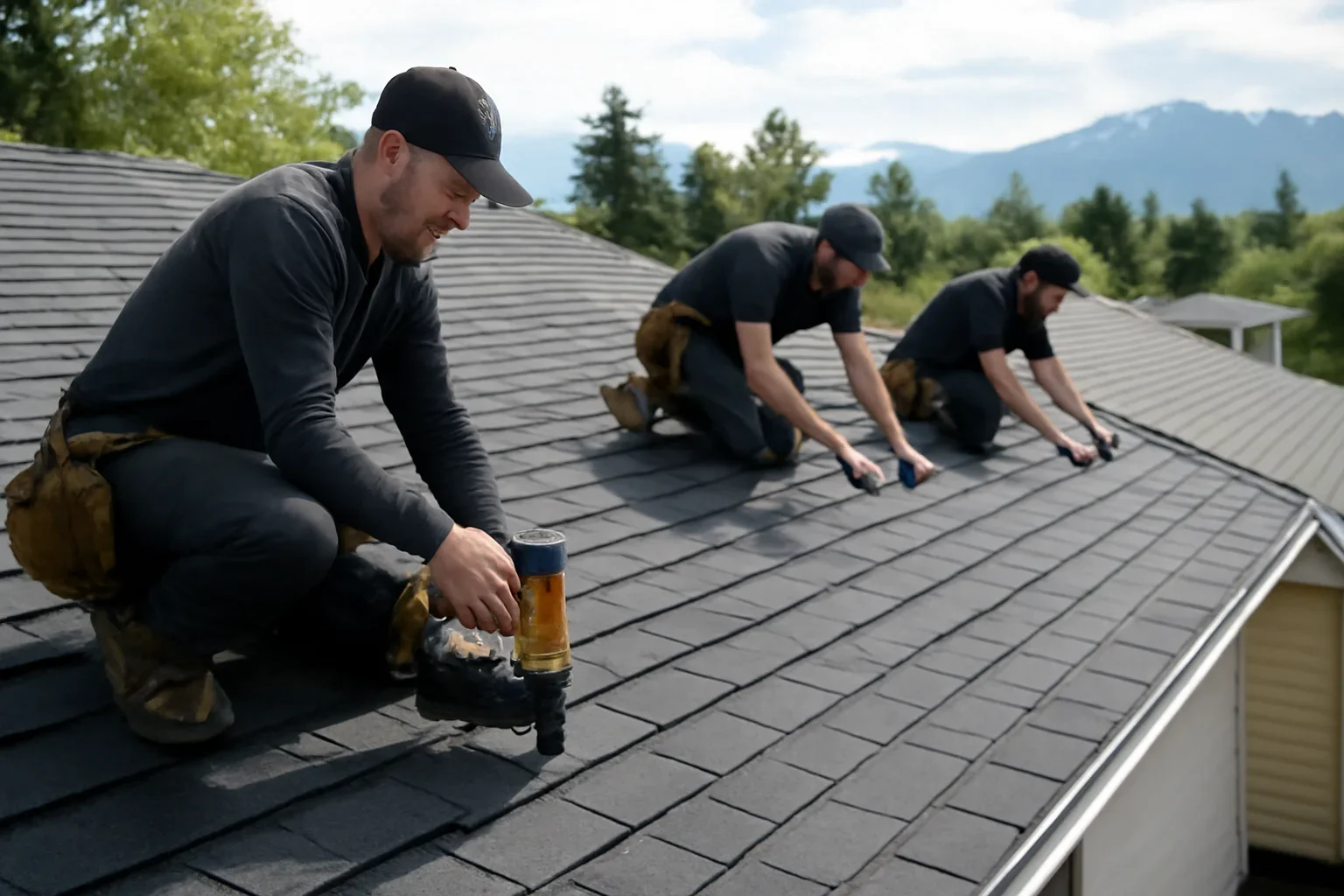
Shade slows drying
North-facing slopes, overhanging branches and nearby buildings reduce sun and airflow. Damp organic debris then provides a place for growth to establish.
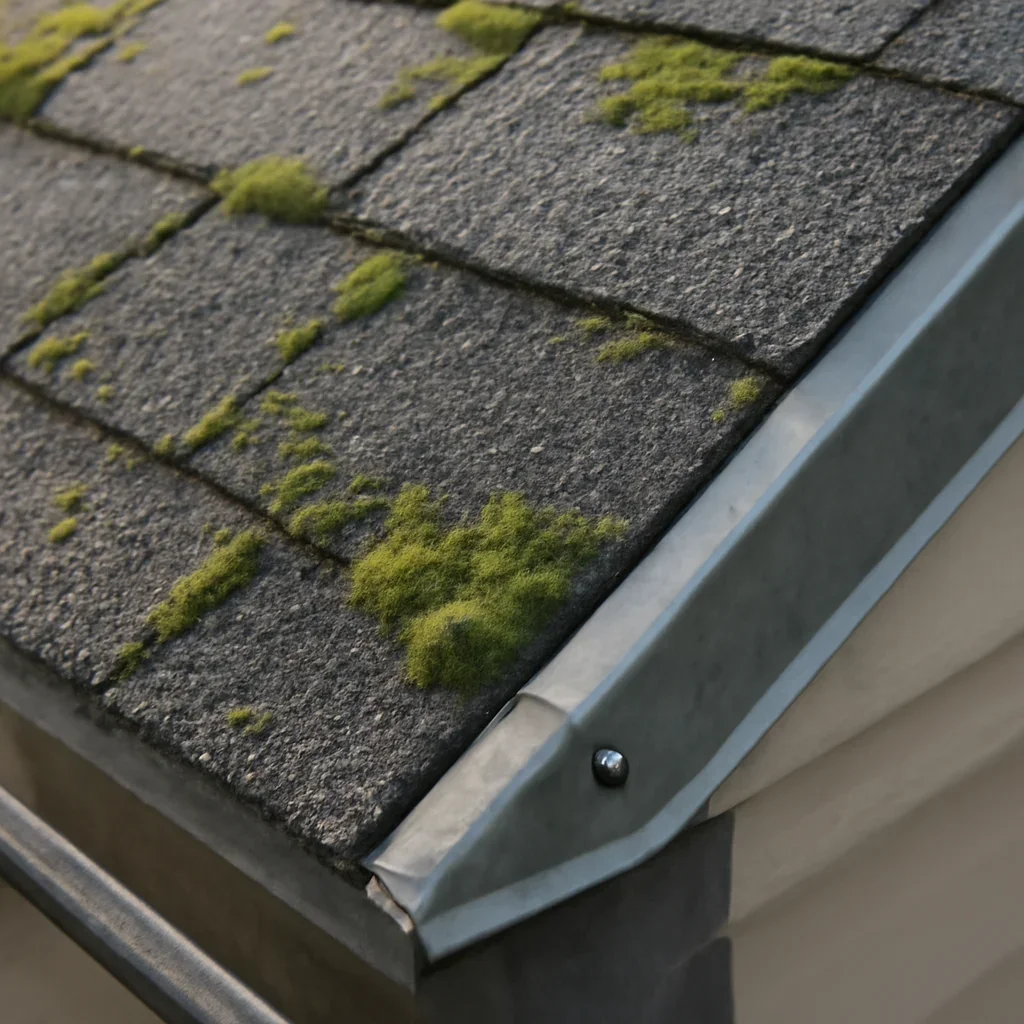
Rough surfaces hold spores
Aged shingles and cedar can retain more moisture than smooth surfaces. Moss may lift shingle edges and conceal wear, but it is not the only cause of deterioration.

Removal must protect the roof
Pressure washing can strip granules or force water under materials. Condition should be assessed before using a gentle, material-compatible treatment.
Details worth checking
- Clear loose debris
- Keep gutters draining
- Trim vegetation where safe and permitted
- Use roof-compatible treatment
- Avoid aggressive pressure
- Recheck shaded slopes
Continue with a related roofing topic
B.C. roofing advice
Roofing advice is most useful when it gives a direct answer, explains the conditions that change it and points to a practical next step.Roofers Langley
Review langley-headquartered roofing and exterior services across British Columbia with practical detail on condition, scope and next steps.Asphalt shingles vs. metal roofing in British Columbia
Asphalt usually has a lower initial cost and broad contractor familiarity; metal often has a higher initial cost with longer potential service.Apply the information to the actual roof
Share the property, roof type, observed condition and decision timeline. A site-specific review can confirm which parts of the guidance fit and where the scope needs to change. The decision should also account for keep gutters draining.
Share your project details