Roof leak detection
Water often travels along decking, framing or insulation before it becomes visible, so the ceiling stain may not sit below the roof defect. Our team assesses the roof, explains the practical options and prepares a scope that fits the building, access and timing.

Diagnosis is especially valuable when leaks are intermittent, only appear during wind-driven rain or persist after a previous patch. The written scope should connect that decision to the roof's observed condition.
What a proper assessment looks for
The visible symptom is only the starting point. Materials above, below and beside the affected area need to be reviewed so the estimate reflects the actual water path and the condition of the substrate. The first work stage is to map the symptom, followed by documentation of the observed condition.
- Attic moisture patterns, staining and wet insulation.
- Roof penetrations and wall intersections uphill from the symptom.
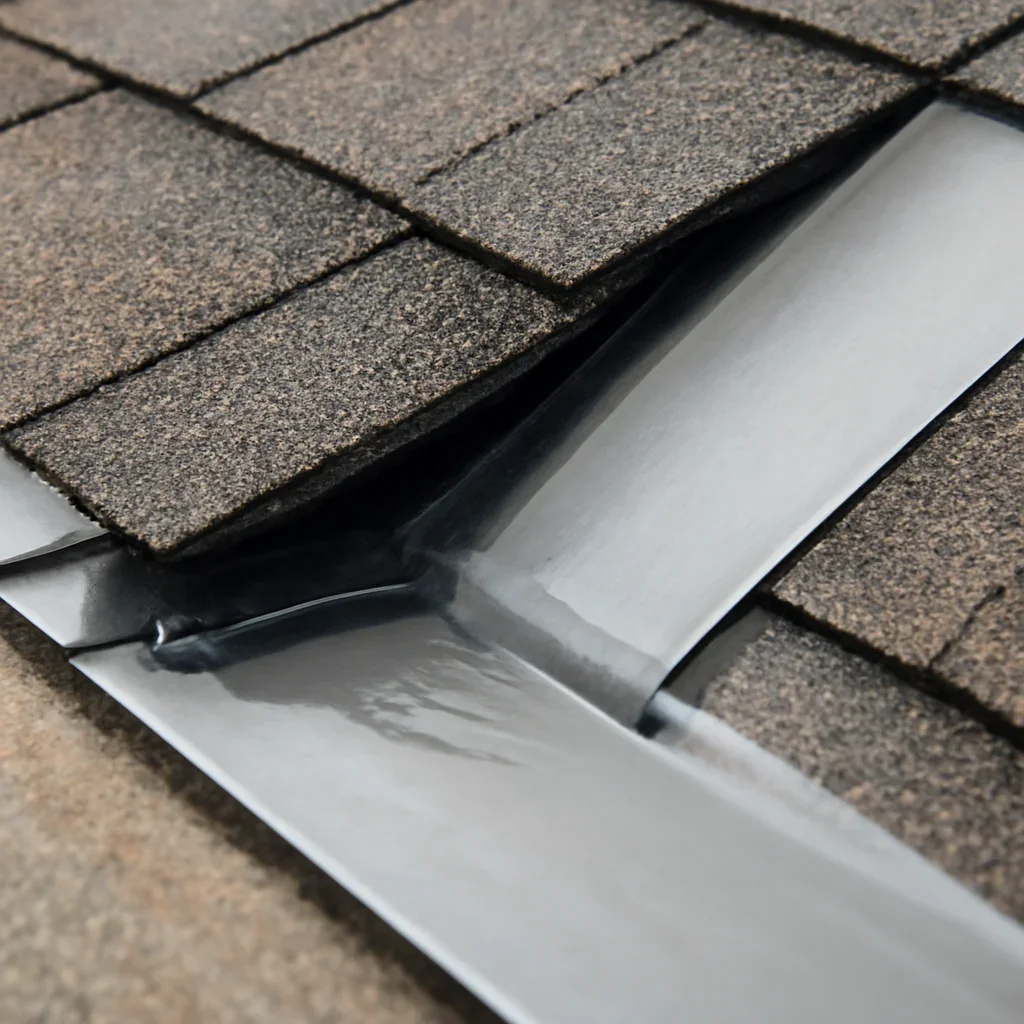
- Valleys, gutters and low points that may back up.
- Previous repairs that could redirect water.
How the work moves from concern to closeout
Map the symptom
Record where and when water appears, including wind direction, rain intensity and whether snowmelt is involved.
Inspect likely pathways
Work from the interior evidence to exterior details, checking higher roof areas before opening materials.
Confirm the repair area
Use controlled testing only when appropriate, then define a repair that includes all compromised components.

What should be clear before approval
A complete scope identifies the work area, preparation, materials, flashing treatment, cleanup and any exclusions. It should also explain how concealed damage will be documented and priced if it becomes visible after removal. The written scope should explain how the condition of roof penetrations and wall intersections uphill from the symptom affects the work.
Property protection and communication belong in the plan as well. Ask where materials will be staged, how landscaping or tenant areas will be protected and who will provide progress updates. The written scope should explain how the condition of roof penetrations and wall intersections uphill from the symptom affects the work.
Why the surrounding roof matters
Diagnosis is especially valuable when leaks are intermittent, only appear during wind-driven rain or persist after a previous patch.
The inspection should also account for access, weather exposure, existing warranties and any related gutter, ventilation or wall details. That broader view prevents a narrow fix from moving water to the next weak point. The estimate should connect each line item to an observed condition or stated project requirement.
Related roofing information
Residential roofing
Residential roofing covers leak diagnosis, repairs, replacement, inspections, maintenance, ventilation and roof-adjacent details for British Columbia homes.Roofers Langley
Review langley-headquartered roofing and exterior services across British Columbia with practical detail on condition, scope and next steps.Roofing services
Roofers Langley provides residential, commercial and roof-system services, with scopes built from the roof condition, building use, access and expected service life.Verified reviews and credentials
Questions customers ask
How is the scope for roof leak detection determined?
Water often travels along decking, framing or insulation before it becomes visible, so the ceiling stain may not sit below the roof defect. The field review checks attic moisture patterns, staining and wet insulation, roof penetrations and wall intersections uphill from the symptom and valleys, gutters and low points that may back up. For roof leak detection, each line item should connect to attic moisture patterns, staining and wet insulation.
When is a different or larger roofing scope more practical?
Diagnosis is especially valuable when leaks are intermittent, only appear during wind-driven rain or persist after a previous patch. The recommendation should compare expected service life, repeat-failure risk and the cost of each option. For roof leak detection, each line item should connect to attic moisture patterns, staining and wet insulation.
What should be shared before the inspection?
Provide the property address, roof type if known, where the problem appears, when it started and any safe photos. Mention access restrictions, active interior water and deadlines that affect scheduling. Also note any symptom or access issue related to valleys, gutters and low points that may back up.
Discuss roof leak detection with a clear starting point
Share the property address, roof type, observed issue and preferred timing. The response can focus on following water to its entry point and the inspection details needed before a scope is prepared.
Share your project details