What to do immediately after a major B.C. windstorm
After a major windstorm, stay clear of downed lines and unstable debris, check interiors from a safe location, document visible damage from the ground and arrange temporary weather protection only through safe access. The decision should also account for emergency and utility hazards.

Protect people before property
Keep away from sagging ceilings, broken glass and electrical hazards. Move occupants and valuables out of affected rooms.
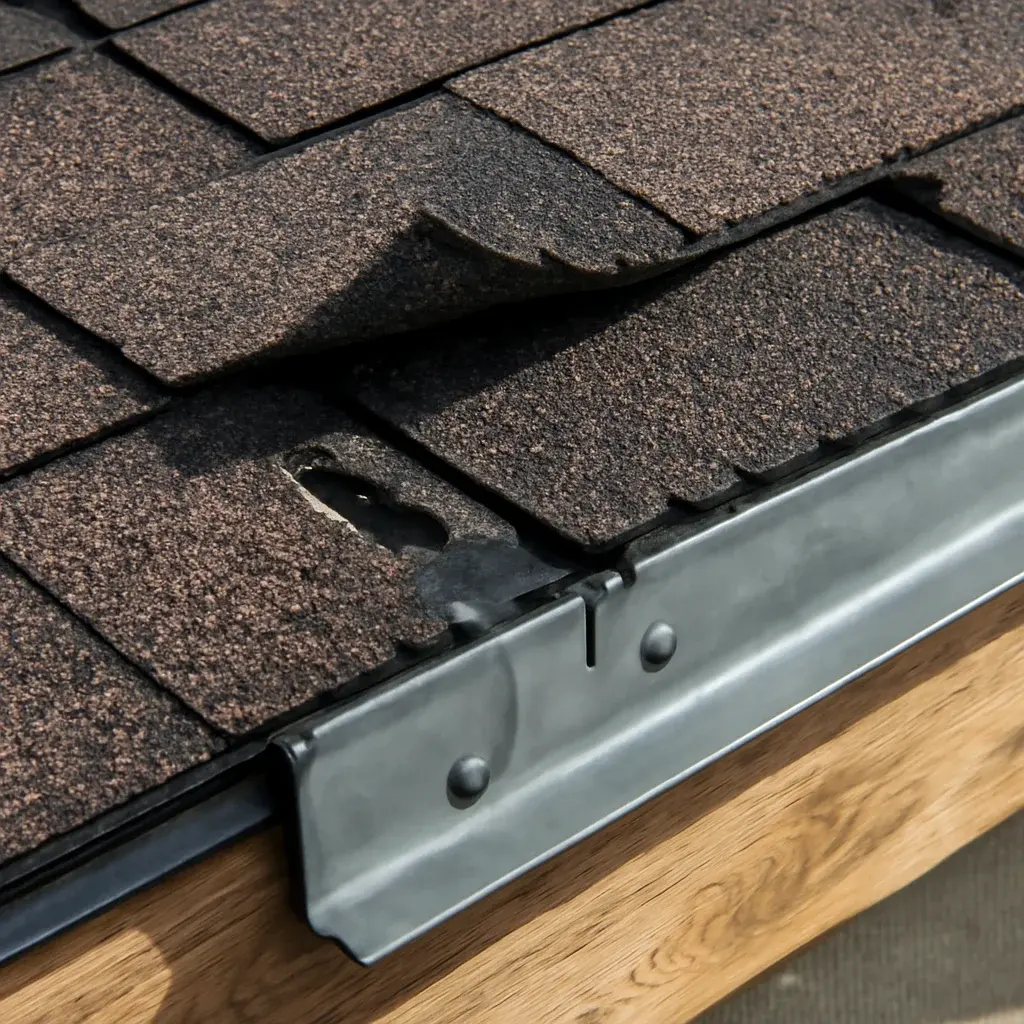
Document the event
Record the date, time, wind direction if known, interior water and visible roof changes. Notify the insurer promptly when a claim may be involved.

Plan the permanent repair
A tarp or temporary patch may reduce further entry, but lifted roofing, wet insulation and flashing damage still need inspection.
Details worth checking
- Emergency and utility hazards
- Interior water locations
- Ground-level roof photos
- Missing materials or debris
- Temporary mitigation receipts
- Insurer and contractor contacts
Continue with a related roofing topic
B.C. roofing advice
Roofing advice is most useful when it gives a direct answer, explains the conditions that change it and points to a practical next step.Roofers Langley
Review langley-headquartered roofing and exterior services across British Columbia with practical detail on condition, scope and next steps.Commercial flat-roof maintenance checklist
A commercial flat-roof checklist should cover drainage, membrane surface, seams, walls, penetrations, previous repairs and rooftop traffic.Apply the information to the actual roof
Share the property, roof type, observed condition and decision timeline. A site-specific review can confirm which parts of the guidance fit and where the scope needs to change. Record the date, time, wind direction if known, interior water and visible roof changes.
Share your project details