
Standing-Seam metal roof
The scope focused on tracing the defect, opening the affected detail far enough to reach sound material and rebuilding it with compatible components. The project record centres on the inspection logic, scope choice and workmanship details involved in standing-seam metal-roof project case study.

Panel layout, fastening, thermal movement and fabricated flashings shaped the quality review. The technical focus was allowing metal panels to move while keeping fasteners concealed.
Project overview
Project type
Standing-Seam metal roof
Primary technical focus
Allowing metal panels to move while keeping fasteners concealed.
Closeout priority
Photos of concealed preparation, completed details and a clear record of the work area.
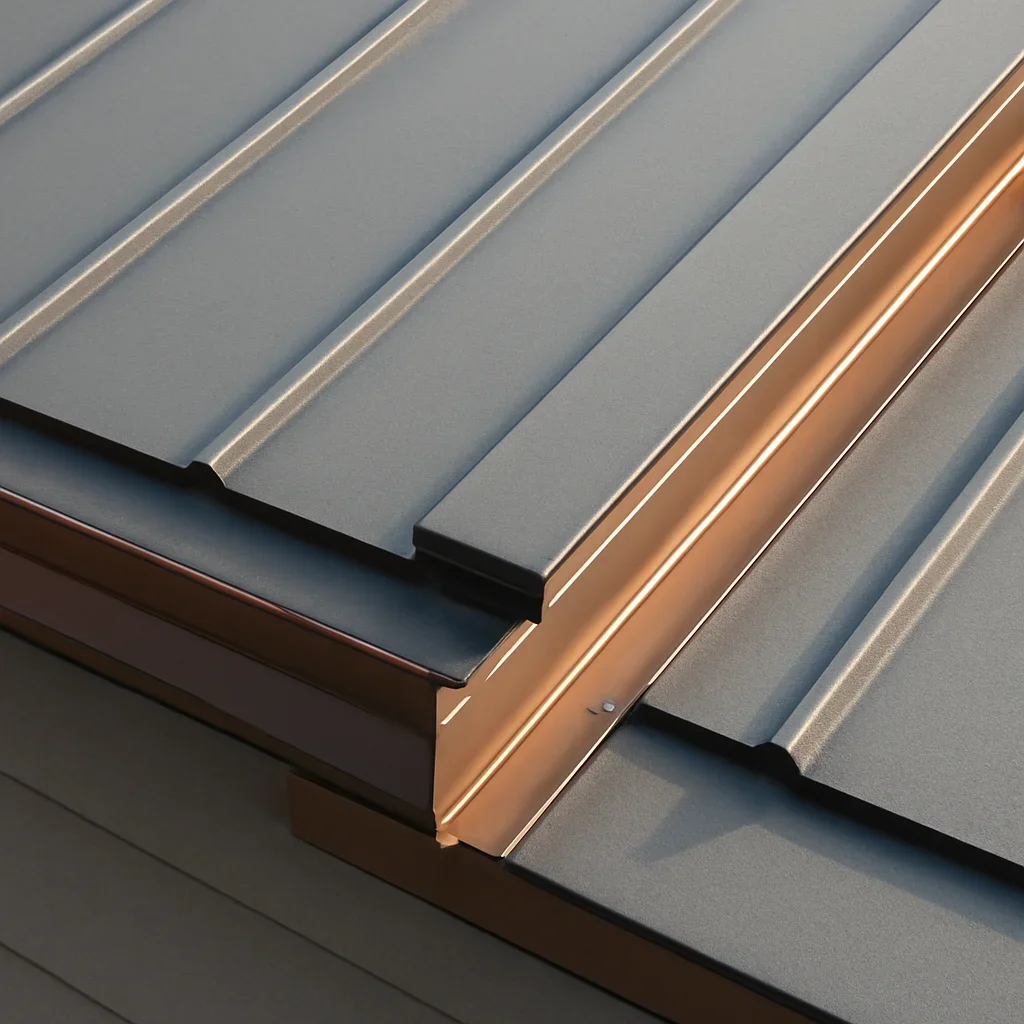
How the condition was approached
The visible issue was treated as the starting point rather than the complete diagnosis. The surrounding roof, water path, flashings, drainage and substrate risk had to be considered before the final work area was defined. The central technical issue is allowing metal panels to move while keeping fasteners concealed.
Standing-seam systems depend on panel layout, clips, seam formation, underlayment and carefully fabricated transitions. In a case like this, opening the detail only makes sense when the crew is prepared to replace compromised material and restore every layer in the correct sequence.
Work sequence and quality checkpoints
Engineer the panel layout
Confirm lengths, penetrations, seam spacing and expansion requirements before fabrication. The case record should separate verified job facts from general roofing guidance.
Prepare the substrate
Install a smooth deck and appropriate underlayment, then set clips and perimeter details accurately. The central technical issue is allowing metal panels to move while keeping fasteners concealed.
Form and inspect seams
Place panels, complete mechanical or snap-lock seams and review every custom flashing.
What property owners can take from the project
Standing seam can offer long service and clean lines, but it requires skilled detailing and a budget that reflects custom fabrication. The central technical issue is allowing metal panels to move while keeping fasteners concealed.
A project example is useful when it shows why a scope was chosen and which details were inspected. It should not be used as a fixed price or timeline for another roof because access, area, materials and concealed condition can be different. The central technical issue is allowing metal panels to move while keeping fasteners concealed.
Project measurements, product brands, dates, warranties and customer comments are published only after verification against the approved job record. The central technical issue is allowing metal panels to move while keeping fasteners concealed.
Related projects and service information
Metal-Roof installation
Metal-Roof installation follows the project decision, work sequence and closeout checks behind matching the scope to the roof's actual condition.Standing-Seam metal roofing
Standing-Seam metal roofing focuses on allowing metal panels to move while keeping fasteners concealed, including panel profile and clip compatibility.Asphalt roof replacement in Langley, B.C.
Asphalt roof replacement in Langley, B.C. follows the project decision, work sequence and closeout checks behind rebuilding the roof as a complete water-management system.Verified reviews and credentials
Questions customers ask
Can this project scope be copied to another roof?
No. Roof system, age, deck condition, access, drainage and surrounding details must be inspected before a second work area is confirmed. The written scope should connect the answer to the property's observed condition. The second roof still needs a separate review of panel profile and clip compatibility.
What technical decision shaped the standing-Seam metal roof project?
The scope focused on tracing the defect, opening the affected detail far enough to reach sound material and rebuilding it with compatible components. Panel layout, fastening, thermal movement and fabricated flashings shaped the quality review. The record should show how that decision addressed eave, ridge, valley and wall details.
What makes the project documentation useful?
Useful records show the starting condition, opened assembly, substrate preparation, critical flashings and finished work. Product, date, warranty and customer claims should match the approved job record. Closeout photos should make the condition of thermal movement over long panel runs understandable.
Compare the project logic, not only the finished appearance
Share the condition of your own roof, the building type and the symptom or planned work. An inspection can determine which parts of this project approach are relevant and which are not. Closeout records should show the condition of eave, ridge, valley and wall details and the completed detail.
Share your project details