
Standing-Seam metal roofing
Standing-seam systems depend on panel layout, clips, seam formation, underlayment and carefully fabricated transitions. Our team assesses the roof, explains the practical options and prepares a scope that fits the building, access and timing.
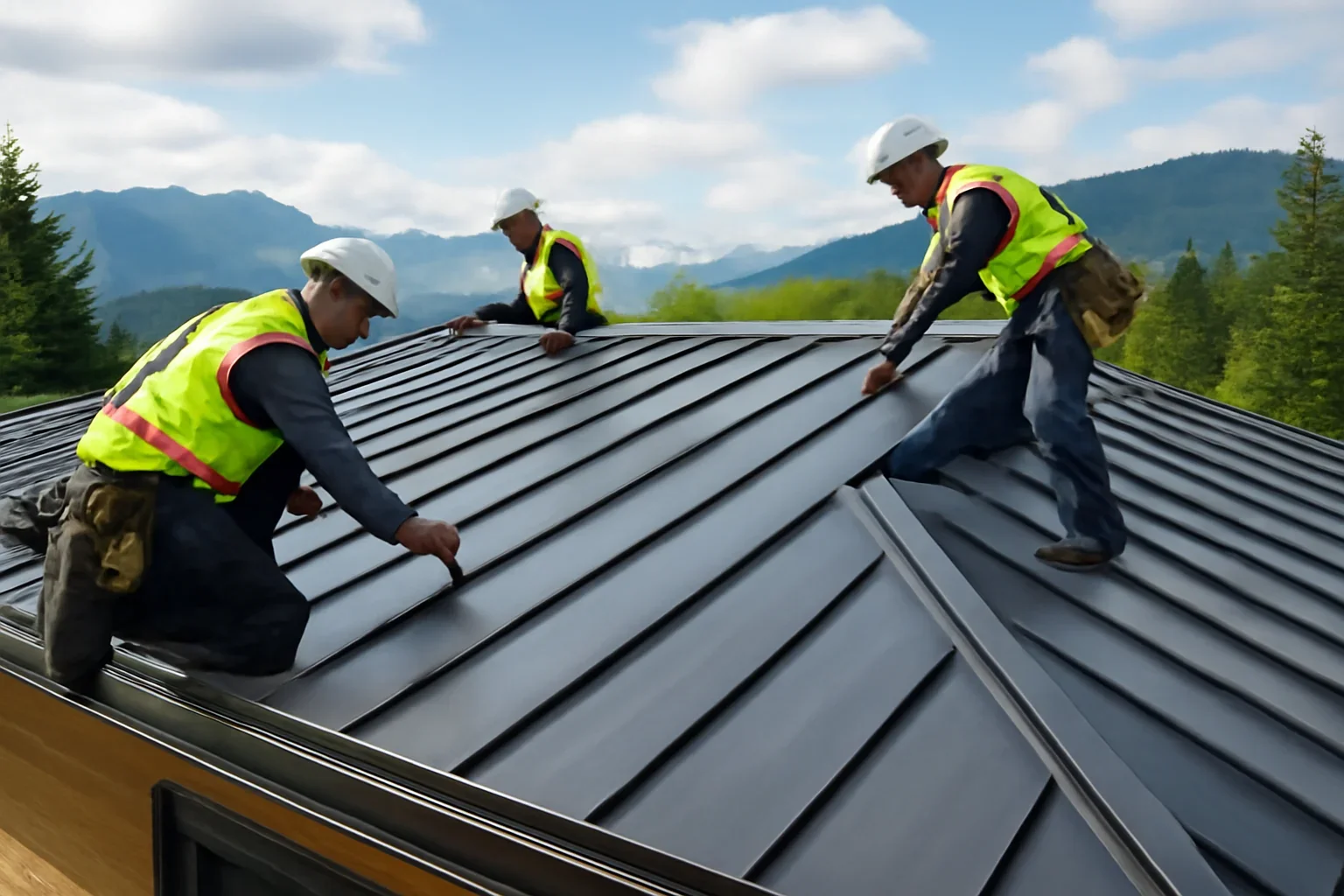
Standing seam can offer long service and clean lines, but it requires skilled detailing and a budget that reflects custom fabrication. The written scope should connect that decision to the roof's observed condition.
What a proper assessment looks for
The visible symptom is only the starting point. Materials above, below and beside the affected area need to be reviewed so the estimate reflects the actual water path and the condition of the substrate. Closeout notes should record the condition of snow shedding and gutter protection.
- Panel profile and clip compatibility.
- Eave, ridge, valley and wall details.
- Thermal movement over long panel runs.
- Snow shedding and gutter protection.
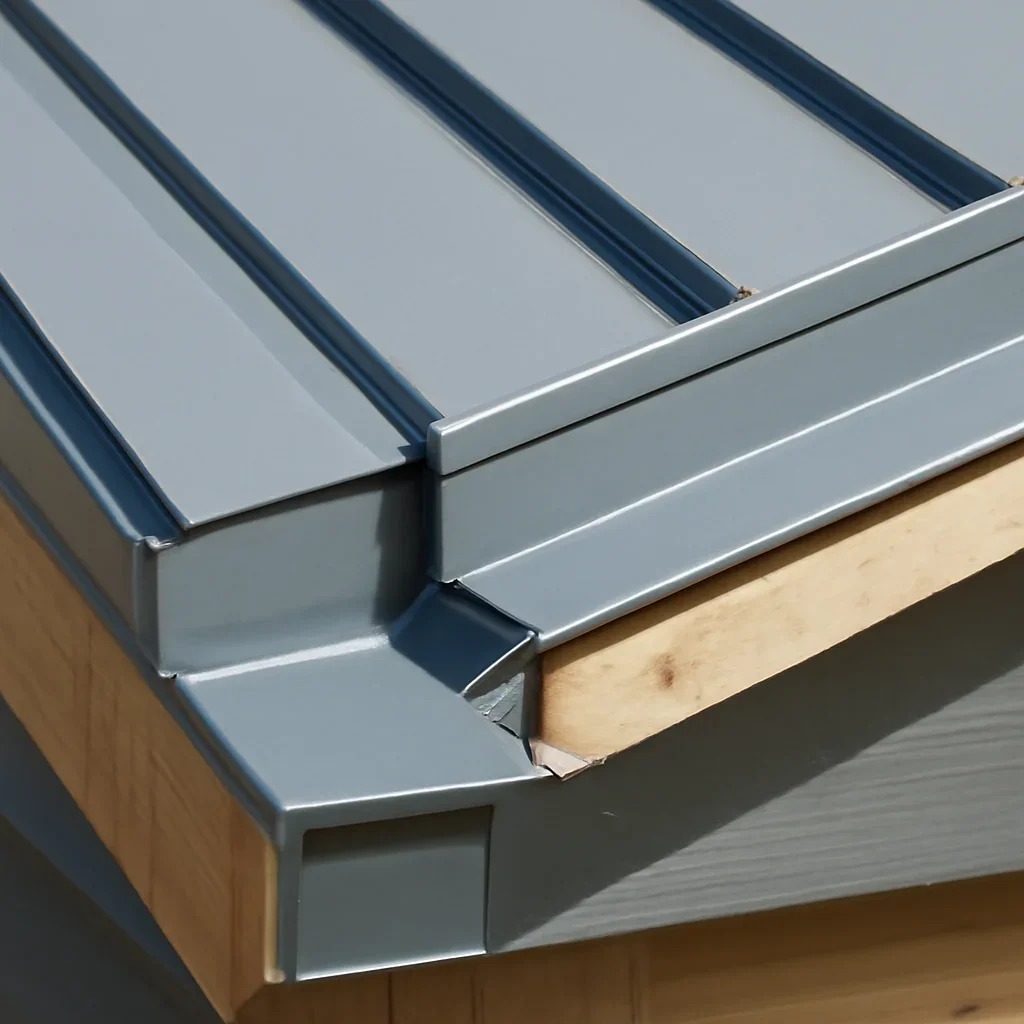
How the work moves from concern to closeout
Engineer the panel layout
Confirm lengths, penetrations, seam spacing and expansion requirements before fabrication. The estimate should connect each line item to an observed condition or stated project requirement.
Prepare the substrate
Install a smooth deck and appropriate underlayment, then set clips and perimeter details accurately. The field review also checks panel profile and clip compatibility.
Form and inspect seams
Place panels, complete mechanical or snap-lock seams and review every custom flashing.

What should be clear before approval
A complete scope identifies the work area, preparation, materials, flashing treatment, cleanup and any exclusions. It should also explain how concealed damage will be documented and priced if it becomes visible after removal. The field review also checks panel profile and clip compatibility.
Property protection and communication belong in the plan as well. Ask where materials will be staged, how landscaping or tenant areas will be protected and who will provide progress updates. The field review also checks panel profile and clip compatibility.
Why the surrounding roof matters
Standing seam can offer long service and clean lines, but it requires skilled detailing and a budget that reflects custom fabrication. Closeout notes should record the condition of snow shedding and gutter protection.
The inspection should also account for access, weather exposure, existing warranties and any related gutter, ventilation or wall details. That broader view prevents a narrow fix from moving water to the next weak point. Closeout notes should record the condition of snow shedding and gutter protection.

Related roofing information
Roofing systems
Roofing systems should be compared by slope, deck, weather exposure, building use, installation detail, maintenance and total ownership needs.Standing-Seam metal roof
Standing-Seam metal roof follows the project decision, work sequence and closeout checks behind allowing metal panels to move while keeping fasteners concealed.Metal-Roof installation
Metal-Roof installation follows the project decision, work sequence and closeout checks behind matching the scope to the roof's actual condition.Verified reviews and credentials
Questions customers ask
How is the scope for standing-Seam metal roofing determined?
Standing-seam systems depend on panel layout, clips, seam formation, underlayment and carefully fabricated transitions. The field review checks panel profile and clip compatibility, eave, ridge, valley and wall details and thermal movement over long panel runs. For standing-Seam metal roofing, each line item should connect to panel profile and clip compatibility.
When is a different or larger roofing scope more practical?
Standing seam can offer long service and clean lines, but it requires skilled detailing and a budget that reflects custom fabrication. The recommendation should compare expected service life, repeat-failure risk and the cost of each option. For standing-Seam metal roofing, each line item should connect to panel profile and clip compatibility.
What should be shared before the inspection?
Provide the property address, roof type if known, where the problem appears, when it started and any safe photos. Mention access restrictions, active interior water and deadlines that affect scheduling. Also note any symptom or access issue related to thermal movement over long panel runs.
Discuss standing-seam metal roofing with a clear starting point
Share the property address, roof type, observed issue and preferred timing. The response can focus on allowing metal panels to move while keeping fasteners concealed and the inspection details needed before a scope is prepared.
Share your project details