Roofing systems
Roofing systems should be compared by slope, deck, weather exposure, building use, installation detail, maintenance and total ownership needs. Assumptions and exclusions should be visible before work is approved.

Roofing systems should be compared by slope, deck, weather exposure, building use, installation detail, maintenance and total ownership needs. Asphalt, metal and low-slope membranes solve different problems.
No material is best for every roof
Asphalt, metal and low-slope membranes solve different problems. The system must fit the roof geometry and the way the building is used.

Details decide performance
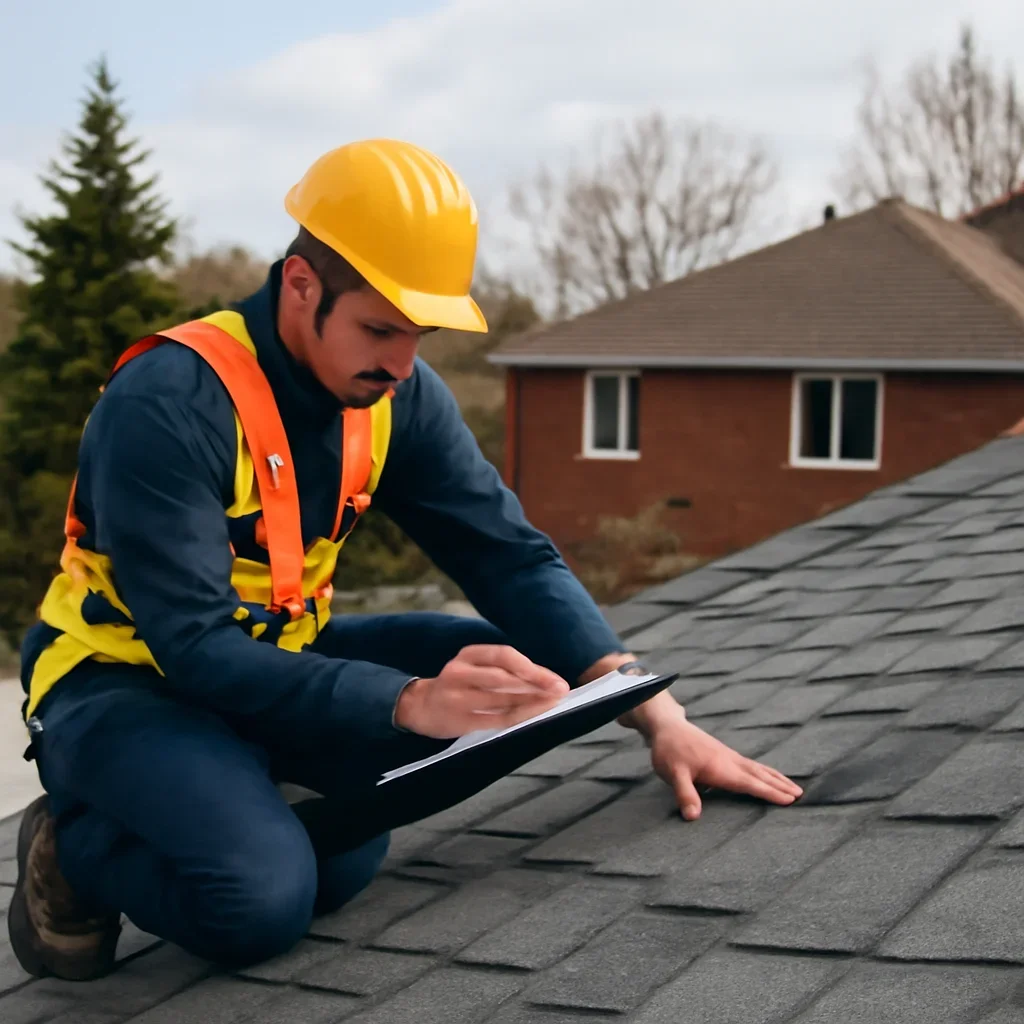
Edges, seams, penetrations, walls, valleys and drains usually fail before the middle of the field. A complete specification shows how those areas will be built.
Compatibility matters during repair
A patch must bond to the existing material and allow the assembly to move and drain as intended. Mixing incompatible products can shorten the repair.
Explore the next level
Asphalt shingle roofing
Asphalt shingle roofing focuses on installing a layered steep-slope roof, including shingle condition, granule loss and sealing.Metal roofing
Metal roofing focuses on managing fastening, expansion and custom flashings, including exposed or concealed fastener condition.Standing-Seam metal roofing
Standing-Seam metal roofing focuses on allowing metal panels to move while keeping fasteners concealed, including panel profile and clip compatibility.Cedar shake roofing
Cedar shake roofing focuses on evaluating natural wood condition before deciding to repair or convert, including split, cupped, missing or soft shakes.Flat roofing systems
Flat roofing systems focuses on controlling water on low slopes, including standing water and the condition of drains or scuppers.Torch-On roofing
Torch-On roofing focuses on building a multi-layer SBS membrane with controlled heat work, including base and cap-sheet condition.SBS modified bitumen roofing
SBS modified bitumen roofing focuses on using reinforced asphalt membranes on low-slope roofs, including membrane surface, laps and reinforcement.TPO roofing
TPO roofing focuses on creating a heat-welded single-ply membrane, including welded seam condition and probe-test history.EPDM roofing
EPDM roofing focuses on installing a flexible rubber membrane with durable seams, including seams, patches and flashing adhesion.Verified reviews and credentials
Questions customers ask
What should customers know about roofing systems?
Roofing systems should be compared by slope, deck, weather exposure, building use, installation detail, maintenance and total ownership needs. Asphalt, metal and low-slope membranes solve different problems. For this decision, the written information should reflect no material is best for every roof.
How is the next step kept specific to the property?
Edges, seams, penetrations, walls, valleys and drains usually fail before the middle of the field. A complete specification shows how those areas will be built. For this decision, the written information should reflect details decide performance.
What proof should support the recommendation?
A patch must bond to the existing material and allow the assembly to move and drain as intended. Mixing incompatible products can shorten the repair. For this decision, the written information should reflect compatibility matters during repair.
Bring the property details together
Send the address, building type, roof system if known and the reason for the inquiry. Roofers Langley can use that information to identify a practical next step without forcing the property into a generic service path. A patch must bond to the existing material and allow the assembly to move and drain as intended.
Share your project details